Guide to Liverworts of Oregon: Diplophyllum taxifolium (Wahlenb.) Dum.
HOME SPECIES INDEX GENUS INDEX GLOSSARY
Diplophyllum 1b leaves not decurrent > Diplophyllum 2b leaf lobes not vittate > Diplophyllum 3a monoicous; gemmae abundant > Diplophyllum taxifolium
Synonym: None.
Special Status: None.
Recognition: The round, oblong leaf lobes distinguish this genus from Scapania. The lack of a vitta rules out Diplophyllum plicatum and D. albicans. Diplophyllum taxifolium almost always has gemmae except when fertile. If D. taxifolium has no gemmae it is usually fertile and its monoicous inflorescences, in particular the distinctive male shoots, are diagnostic. However, the male bracts on the paroicous inflorescences of D. obtusifolium are not prominent. Careful observation is needed to establish the bisexual nature of its fertile shoots. Sterile specimens of these two species are difficult to distinguish. Median leaf cells of the ventral lobes of Diplophyllum obtusifolium are longer, two to four times longer than wide while the median leaf cells of Diplophyllum taxifolium are short rectangular, not more than twice as long as wide.
Distribution: On rocks on cliffs, especially in stream canyons; widespread in Oregon.
Comments: Sterile material is difficult to identify except by careful observation of microscope preparations. A good hint as to identification may be made based on habitat. Diplophyllum obtusifolium grows almost exclusively on mineral soil while Diplophyllum taxifolium grows most frequently on rocks of stream canyons.
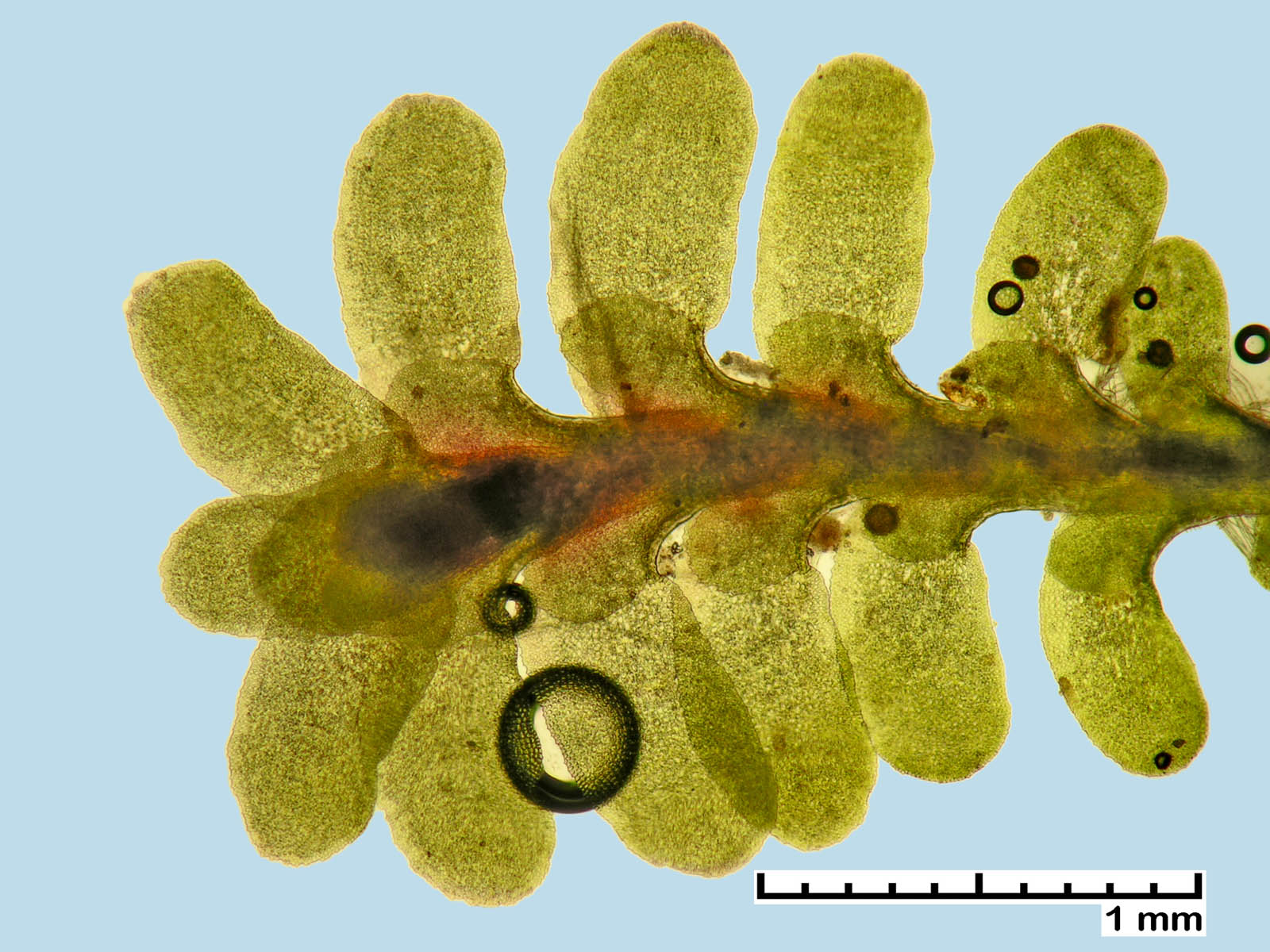 Diplophyllum taxifolium, Opal Creek, Oregon. DHW m2127
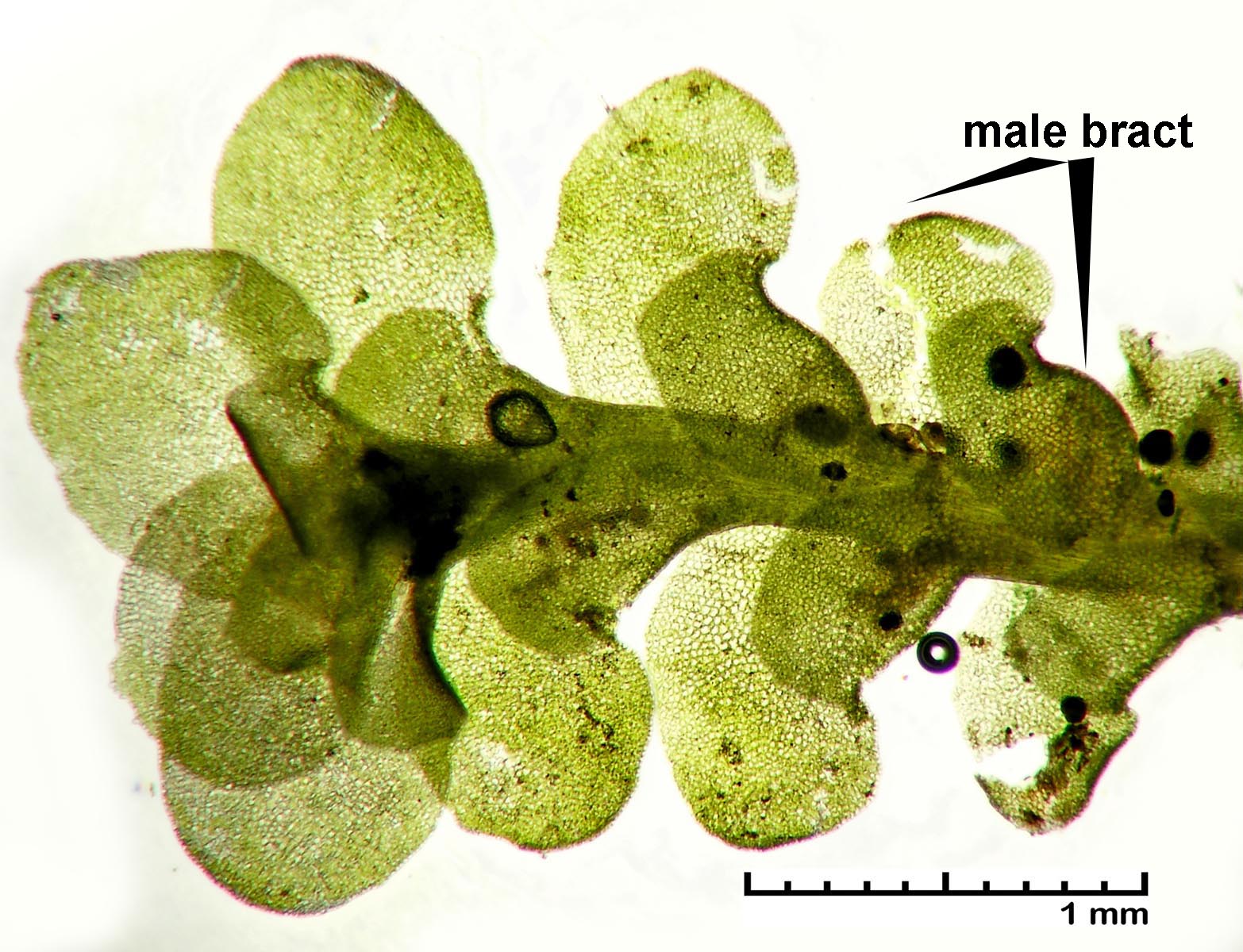 Diplophyllum taxifolium, Mt. Adams, Washington. D. Stone 301384
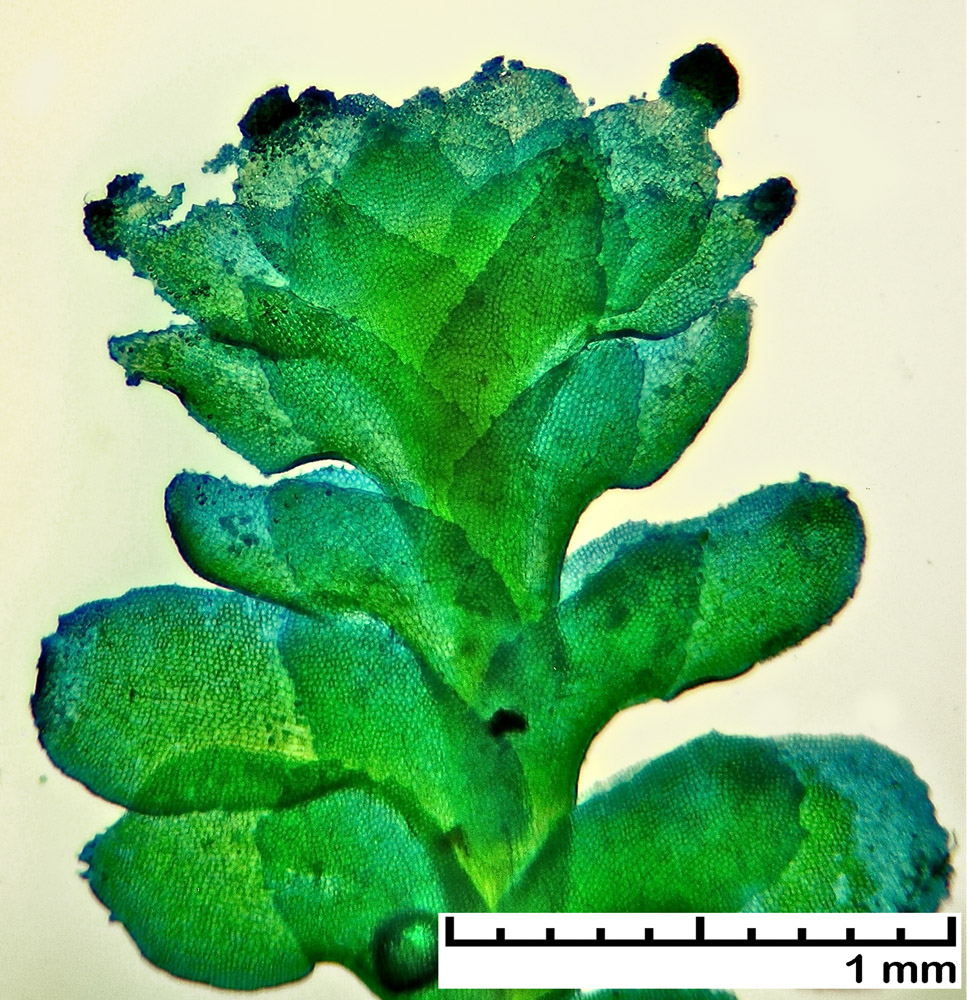 Diplophyllum taxifolium, Fish Lake Lava Beds, Linn Co., Oregon. DHW s.n.
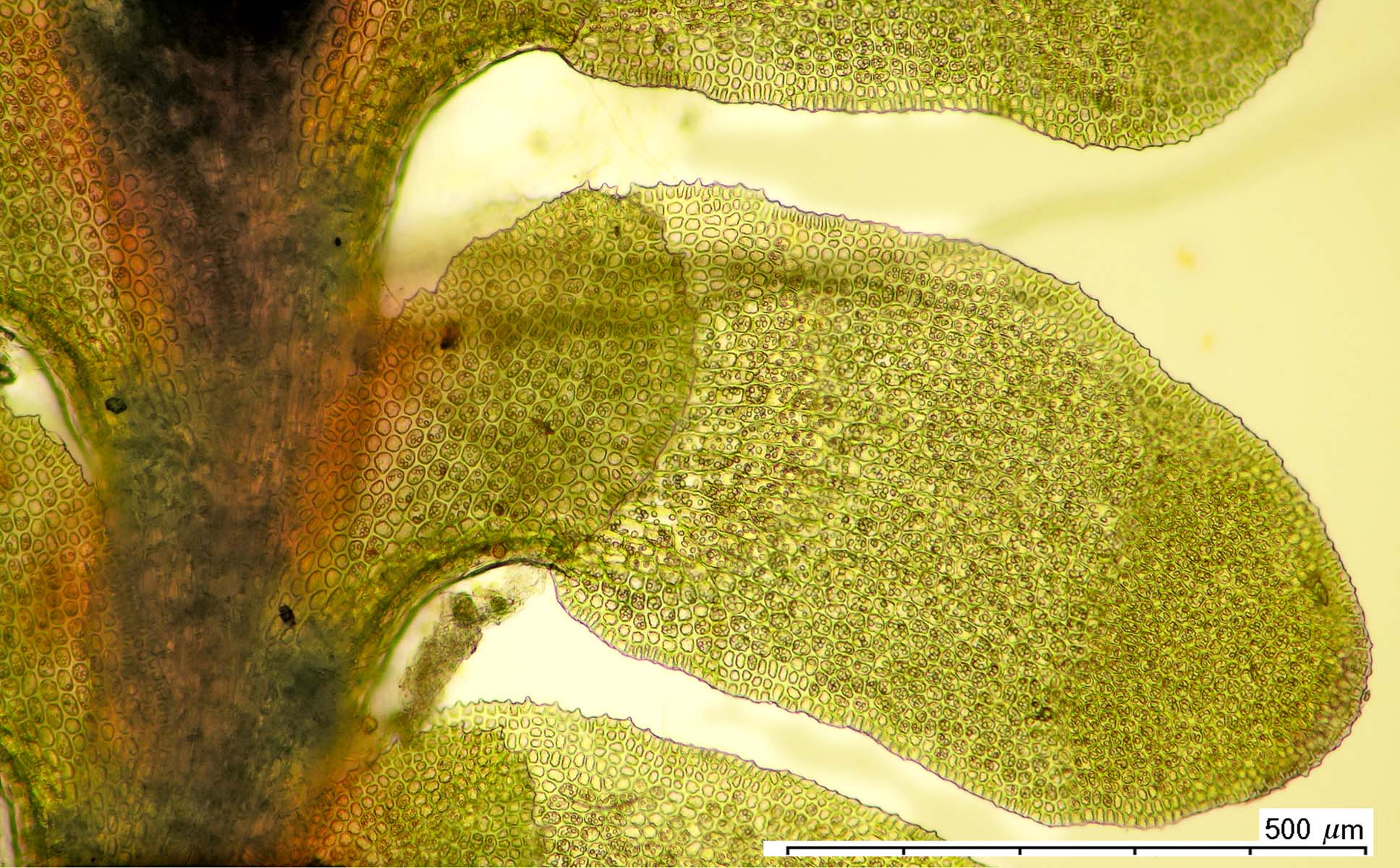 Diplophyllum taxifolium, Opal Creek, Oregon. DHW m2127
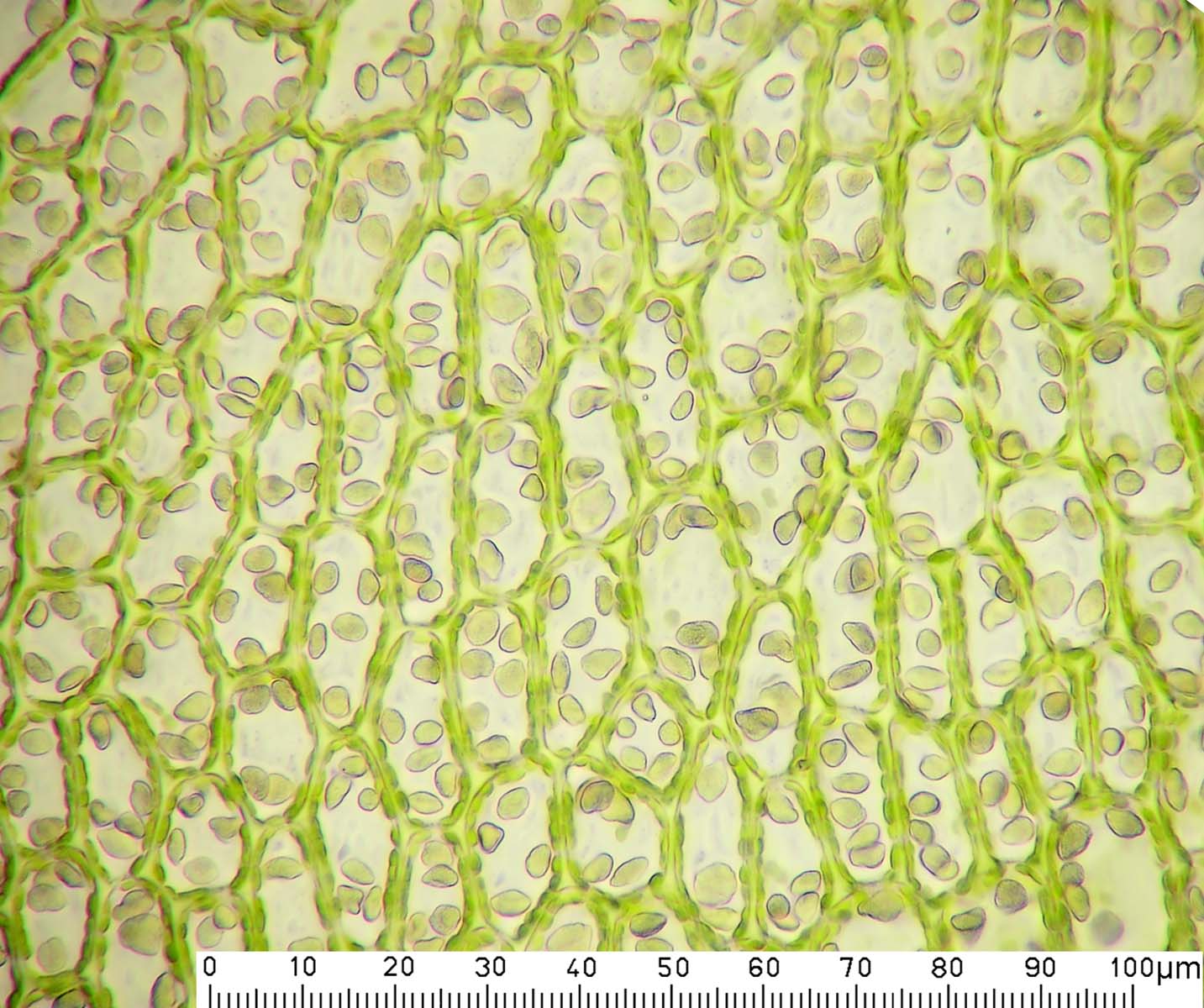 Diplophyllum taxifolium, Mt. Adams, Washington. D. Stone 301384