Guide to Liverworts of Oregon: Macrodiplophyllum flaccidum D.H. Wagner
HOME SPECIES INDEX GENUS INDEX GLOSSARY
Diplophyllum 1a leaves decurrent > Macrodiplophyllum flaccidum
Synonyms: none.
Special Status: Status pending review.
Recognition: A large species with two rows of bilobed leaves. The lobes are long, angled away from the stem, and folded over each other. The upper, dorsal lobe is the smaller one.
Plants 20 - 60 x 2 - 4 mm, ascending to erect, yellowish green to pale olive green, sometimes tinged red near apex, glossy when dry, olive green at apex, dark brown to black below, sparsely branched, leaves contiguous to imbricate, contorted when dry; dorsal to ventral lobe length ratio 0.5 - 0.7; dorsal lobe subtransversely inserted, insertion line weakly arched, weakly decurrent for 0.1 - 0.2 of stem width, midline smoothly curved from base to apex, angled 30° - 80° from stem axis, obliquely obovate to arcuate, flat to slightly convex, apex obtuse to rounded, basal margin reaching across stem not quite to opposite side; ventral lobe transversely inserted, insertion line slightly arched, decurrent for 0.1 - 0.2 of stem width, midline angled 60° - 90° from stem axis, obliquely obovate to spatulate, weakly falcate, slightly convex; keel curving evenly from base, often dark brown to black, 0.3 - 0.5 of ventral lobe; margins finely dentate with few teeth at lobe bases but teeth regularly produced on distal third except where eroded by gemma production, apex of ventral lobe with occasional multicellular teeth; cells at leaf base elongate-rectangular, trigones strongly bulging, walls nodose; median cells isodiametric to short rectangular, evenly thick walled cells in 2 - 3 cell rows at margin; cuticle smooth; oil bodies 2 - 3(-4) per cell, reniform-fusiform, amorphous texture, pale brown, nearly filling cell lumen, specialized asexual reproduction not known.Distribution: This species grows exclusively on inorganic substrates, typically on cliffs and streamside rocks at low elevations, often associated with waterfalls, occasionally on mineral soil around rocks. It is known from British Columbia, Canada; Alaska, Washington, and Oregon. The distribution in the original publication mistakenly lists California instead of Alaska (Wagner 2016). It is notably absent from tree trunks or fallen logs.
Comments: Macrodiplophyllum flaccidum is similar to M. plicatum in morphology and ecology. Both occur almost exclusively on inorganic substrates such as cliff faces, boulders, and sandy soil. One of the most distinctive character of M. flaccidum, dry and contorted leaves, is seen only in dried specimens. Therefore, it is more easily recognizable in the herbarium than in the field. The presence of a black keel and black stem is suggestive but not diagnostic. Whereas most species of this genus have at least some roughening of the cuticle, described as striolate or verruculose, the cuticle of M. flaccidum is usually nearly quite smooth so the plants appear glossy or shiny when dry. Dry specimens of M. plicatum have a distinctly velvety or satiny appearance..
Macrodiplophyllum is distinguished by its robust character, rounded, long lingulate leaf lobes, elongated basal cells, arcuate and decurrent ventral lobe, and plicate perianth, usually to the base, with a constricted mouth. It is a natural group characterized by an array of ancestral traits rather than strict phylogenetic lineage. Phylogenetic analysis shows that Macrodiplophyllum is derived from the more generalized genus Diplophyllum and is basal to two more specialized genera, Douinia and Scapania. Alternate classifications would place the known species of Macrodiplophyllum in Diplophyllum (Hong 1980; Steere 1978), all in Scapania (Potemkin 2002), or divide its species between Scapania and an enlarged Douinia (Konstantinova et al. 2013). Until the two new species, Macrodiplophyllum rubrum and M. flaccidum (Wagner 2016), are subjected to molecular analysis their position in phylogenetic trees cannot be used to evaluate alternate classifications in Scapaniaceae.
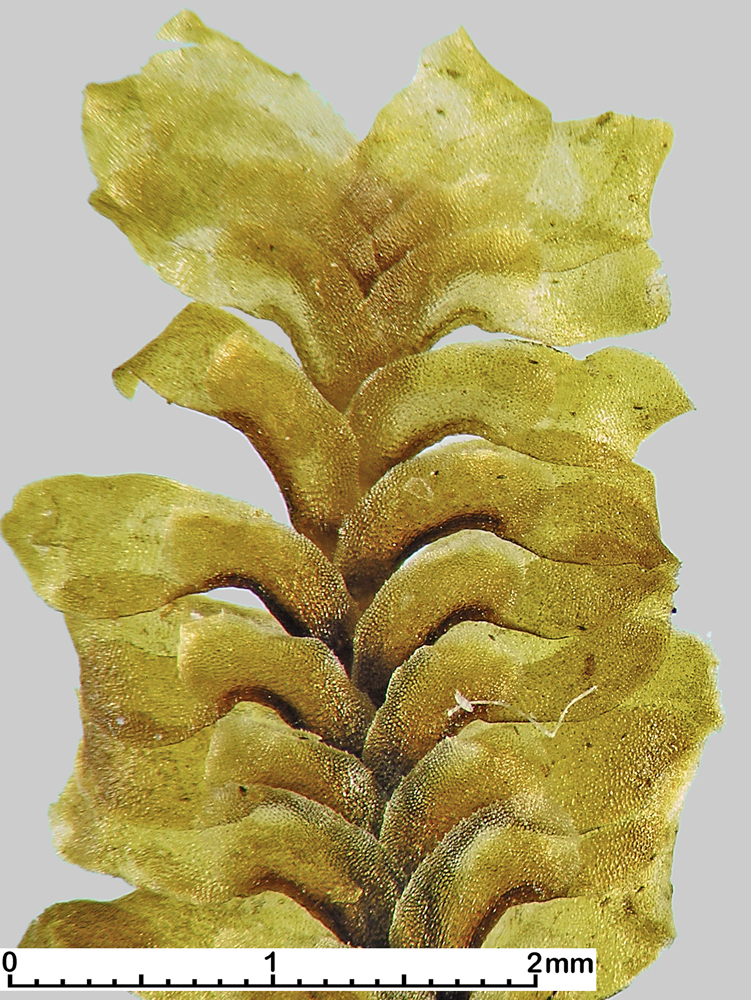 Macrodiplophyllum flaccidum. W.Schofield W84237 (UBC).
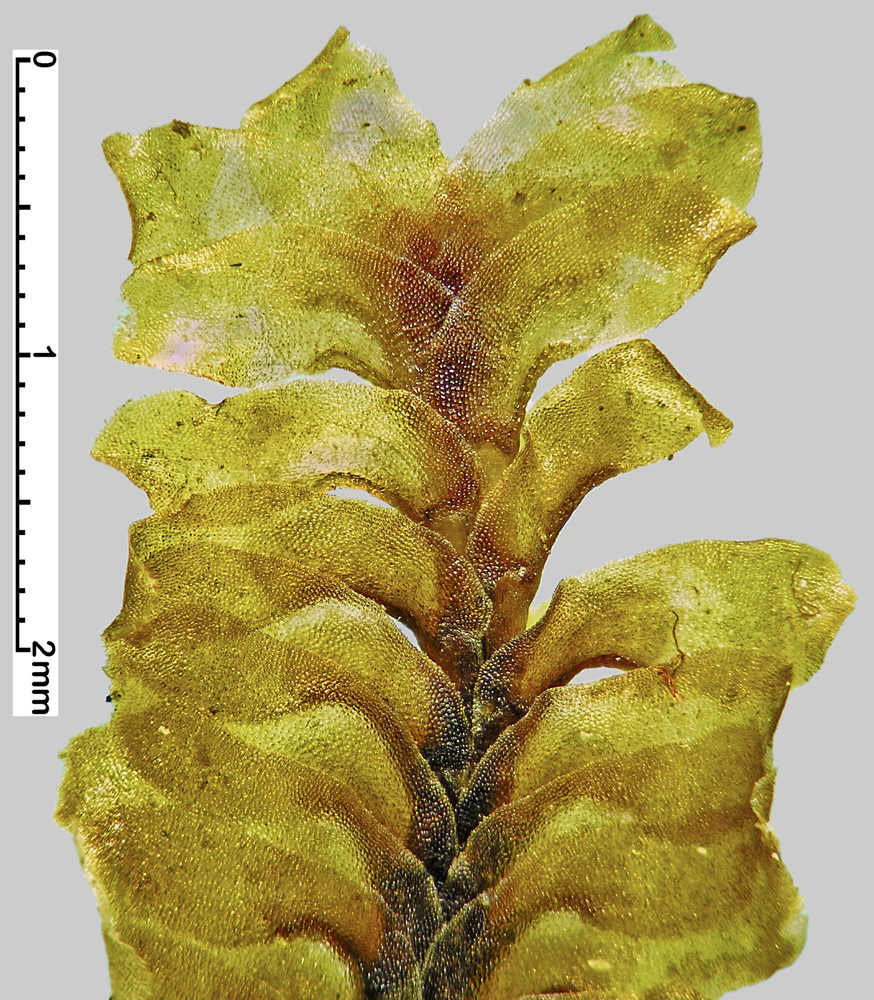 Macrodiplophyllum flaccidum. W.Schofield W84237 (UBC).
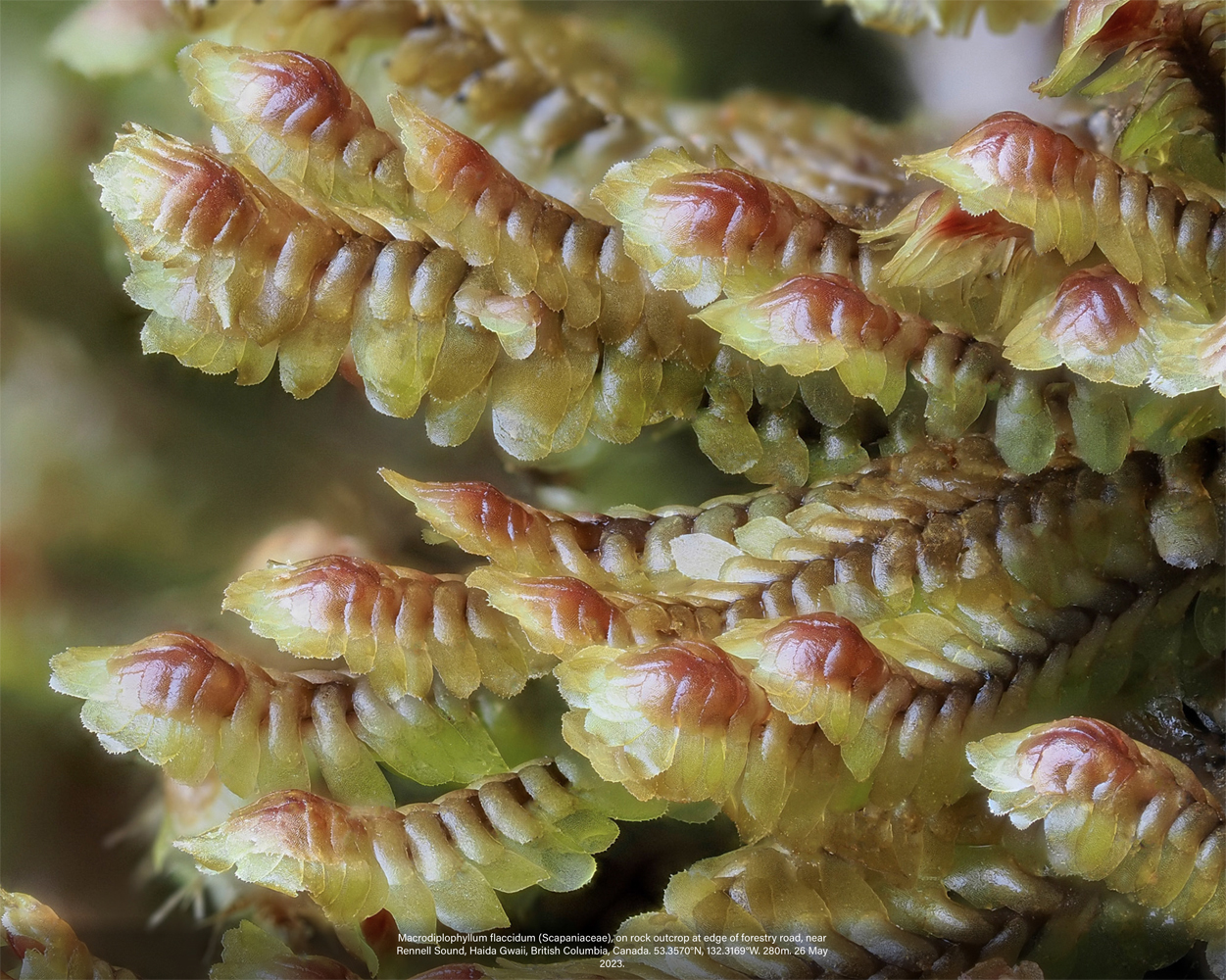 Macrodiplophyllum flaccidum. Haida Gwaii, British Columbia, Canada. Des Callaghan 25 May 2023.
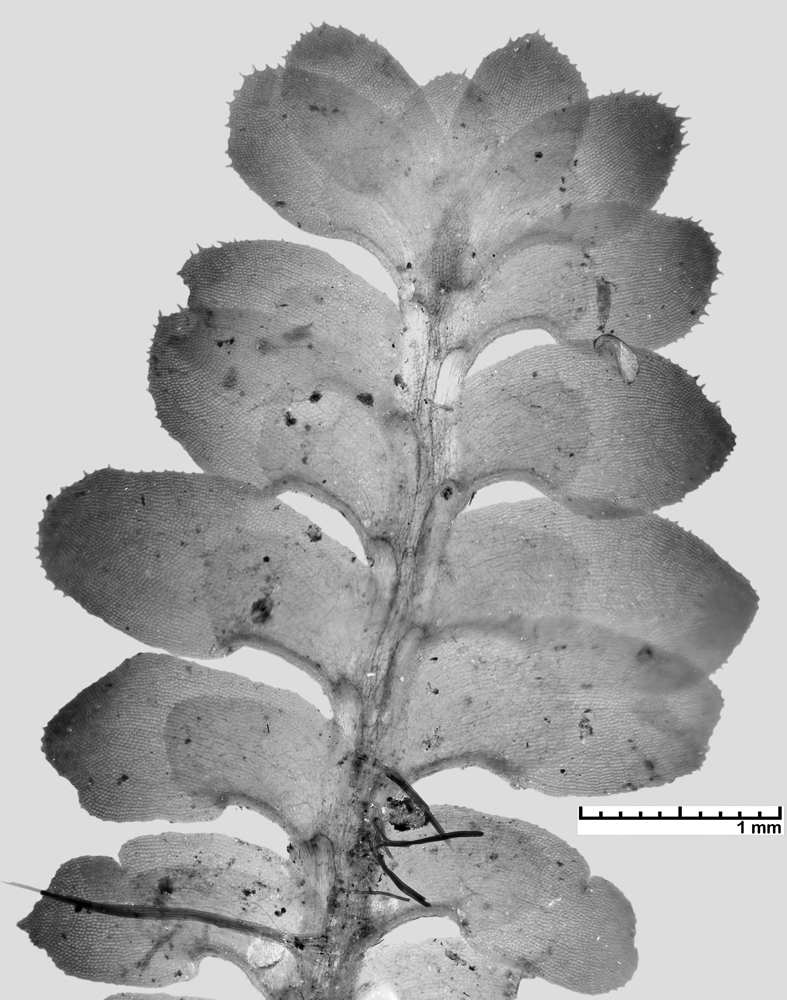 Macrodiplophyllum flaccidum. DHW m2797.
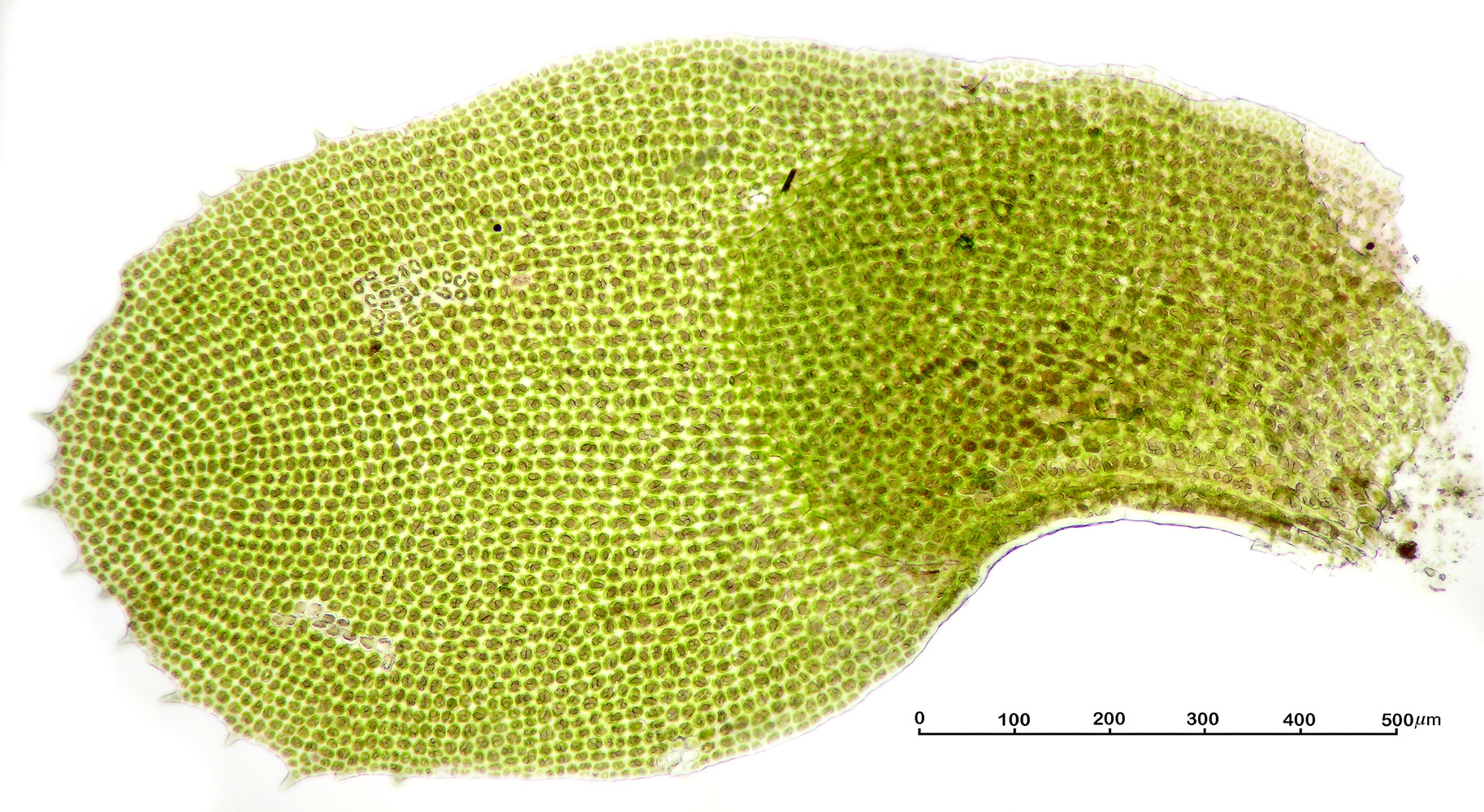 Macrodiplophyllum flaccidum. DHW m2797.
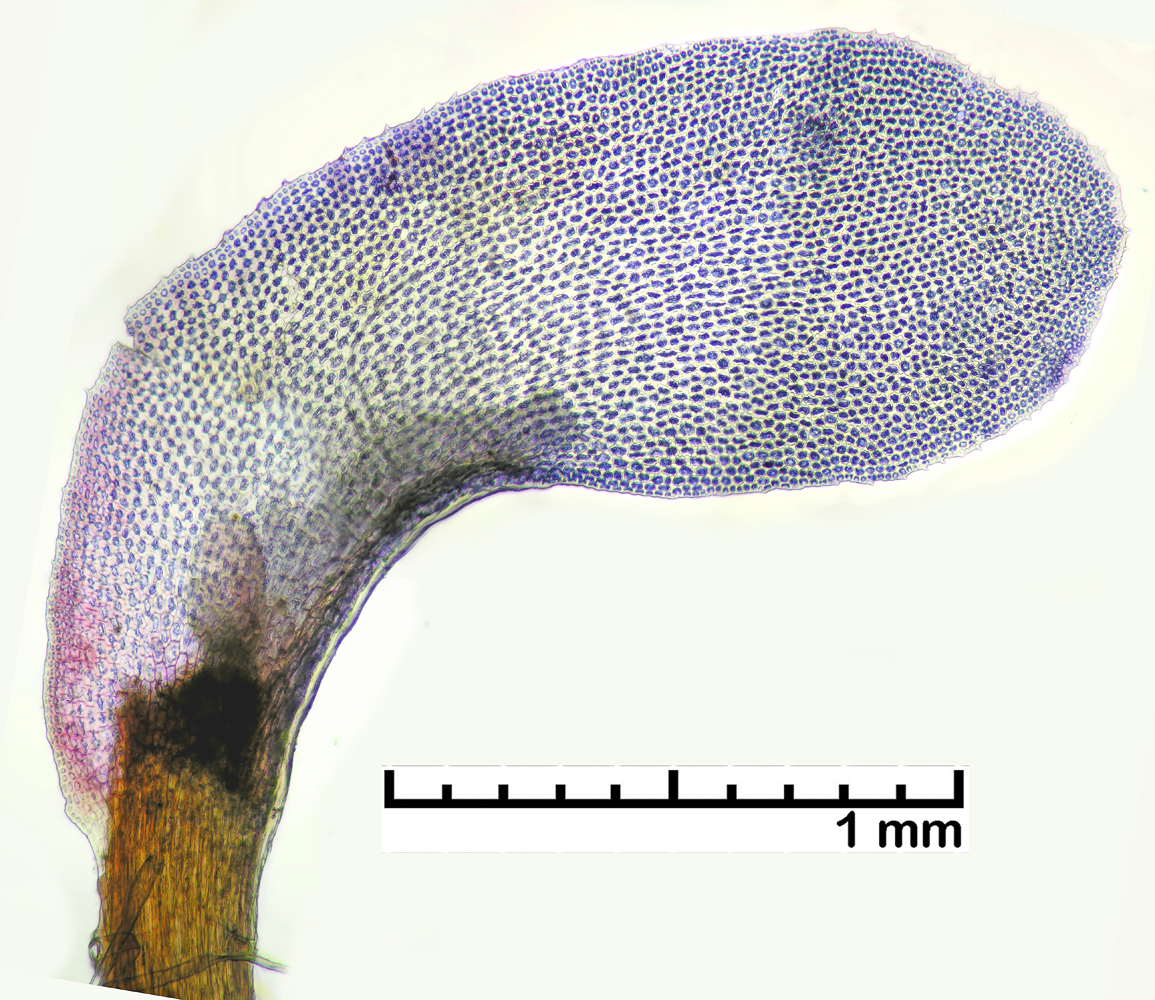 Macrodiplophyllum flaccidum. DHW m2797.
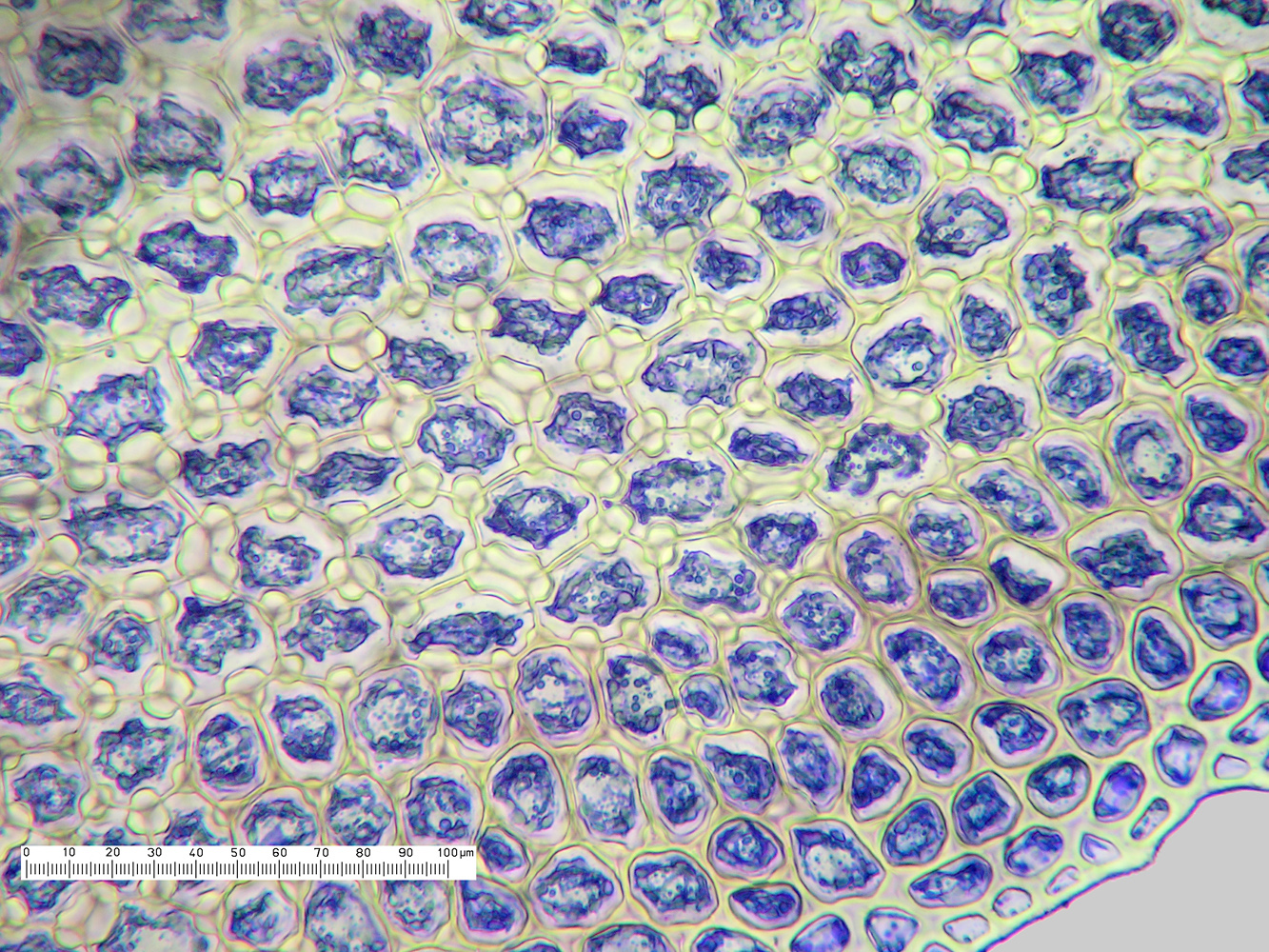 Macrodiplophyllum flaccidum. W.Schofield W67624 (UBC).
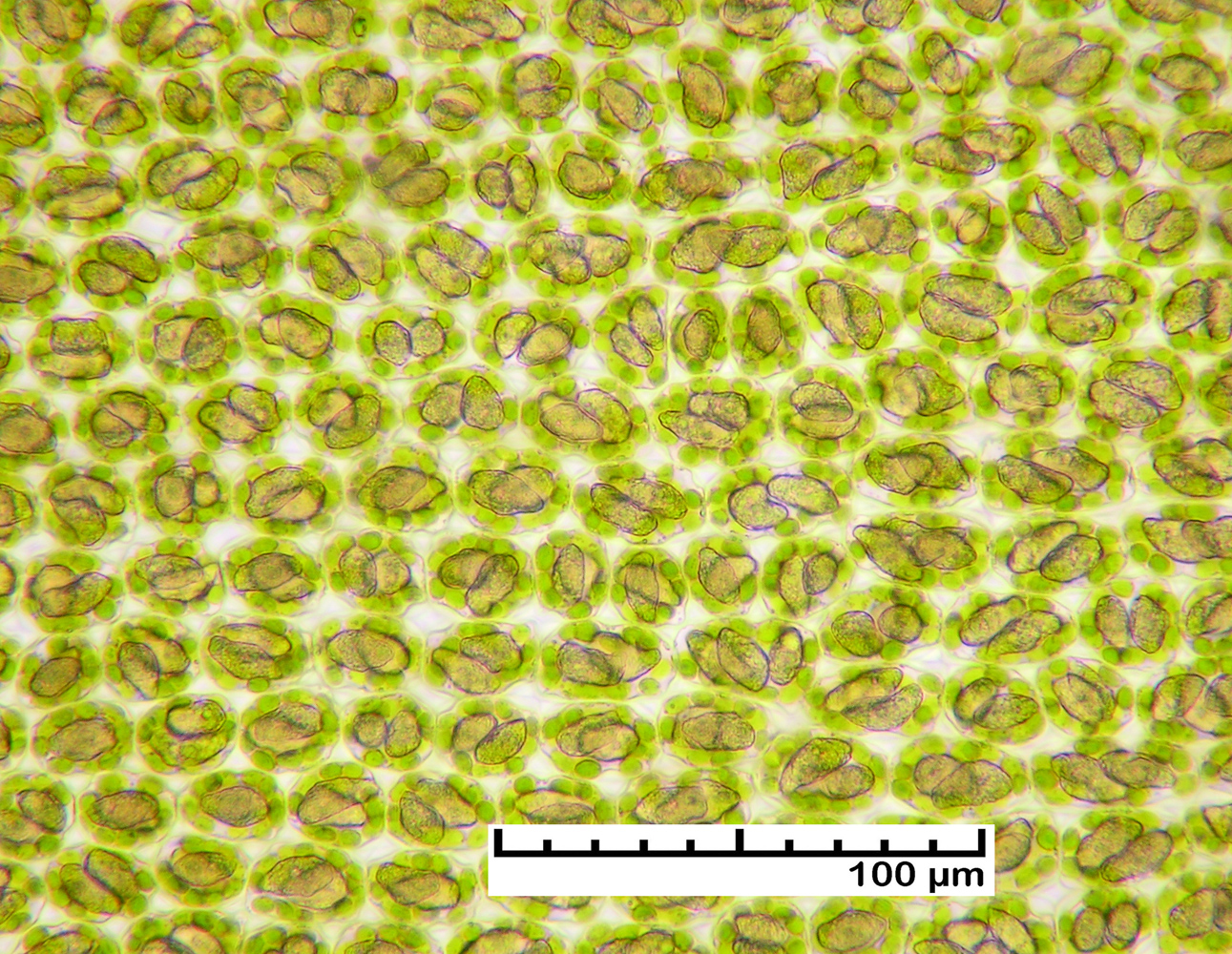 Macrodiplophyllum flaccidum. DHW m2797.
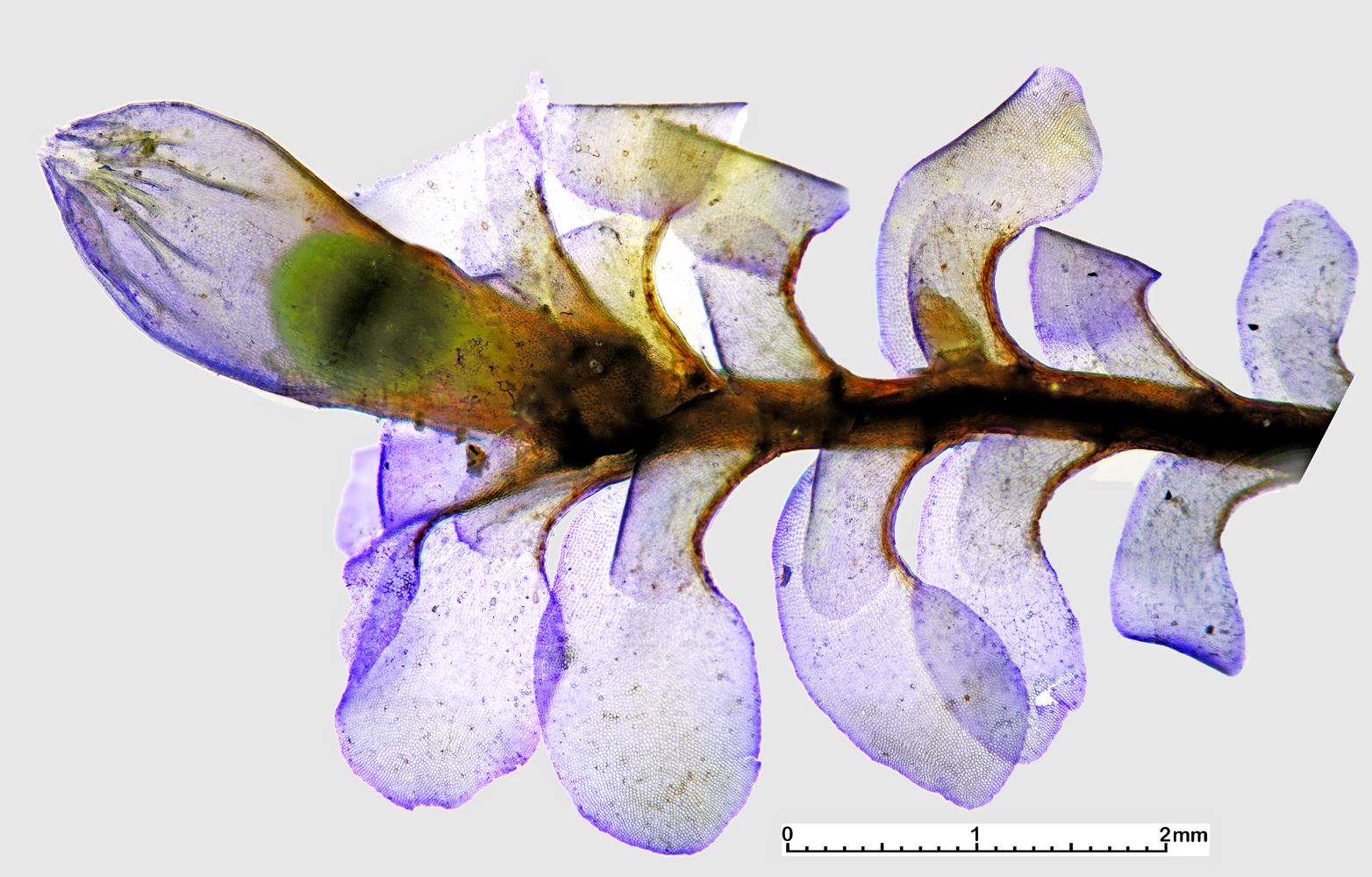 Macrodiplophyllum flaccidum. W.Schofield W21535 (UBC).
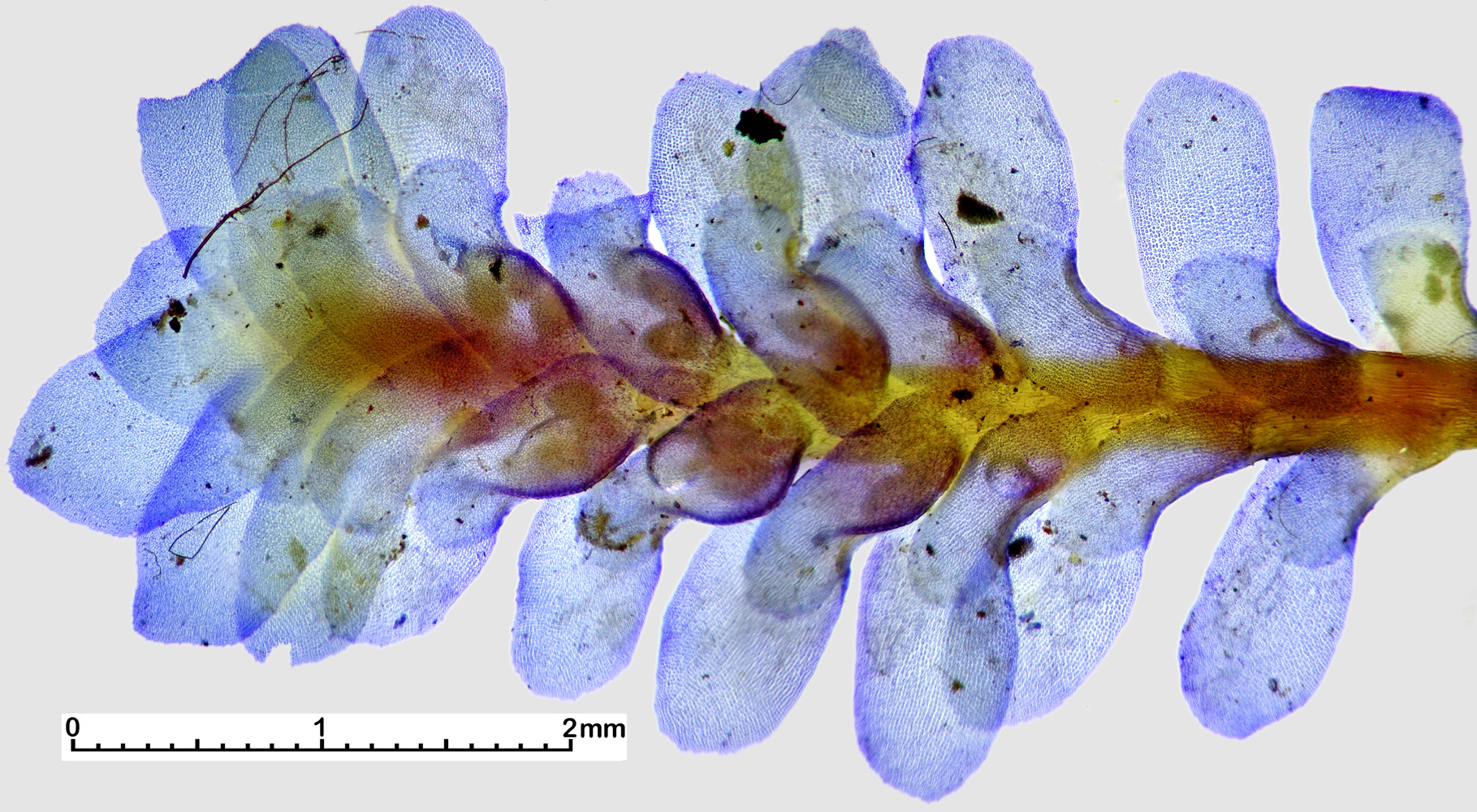 Macrodiplophyllum flaccidum. W.Schofield W40550 (UBC).
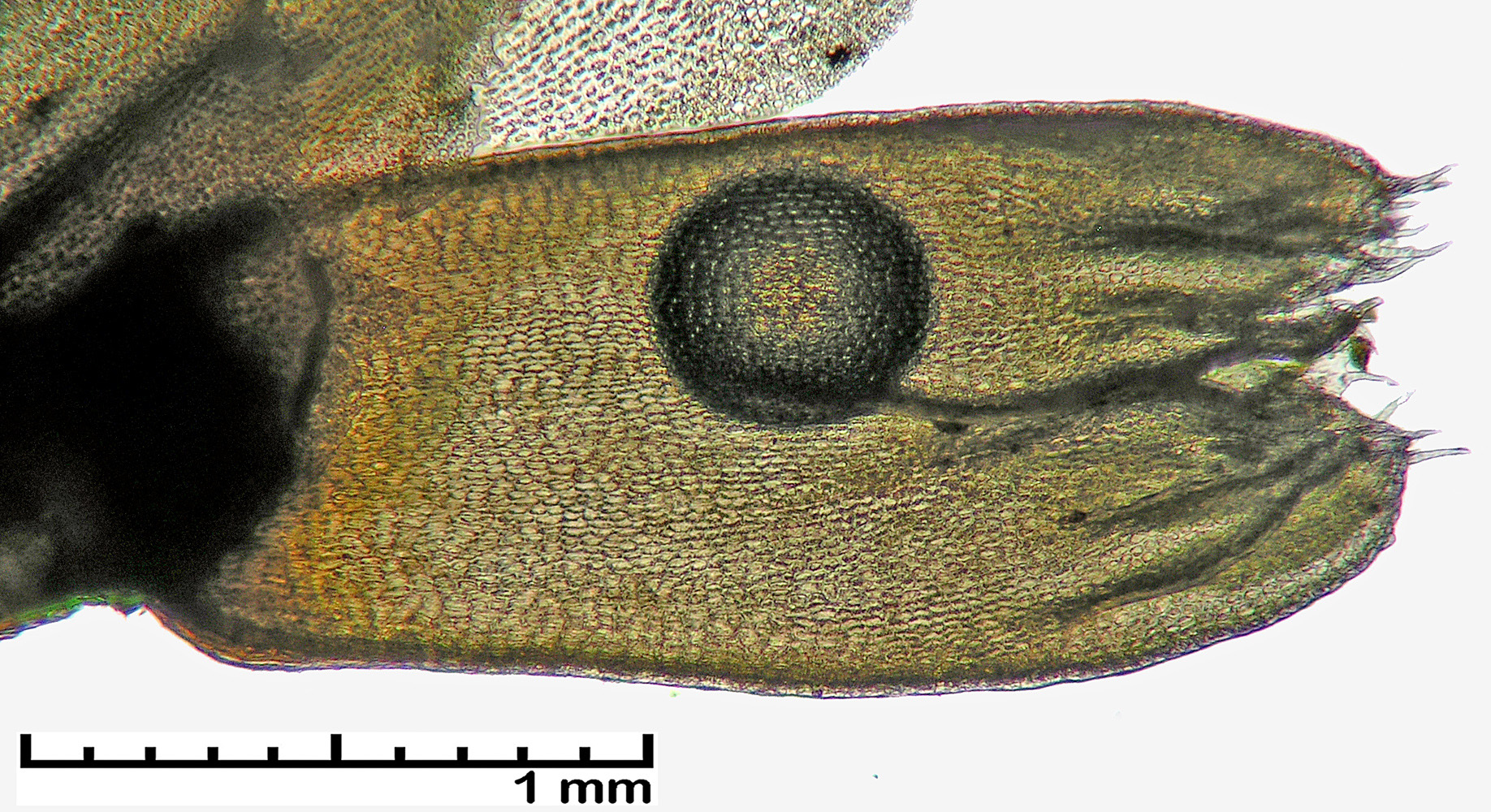 Macrodiplophyllum flaccidum. W.Schofield W67624 (UBC).
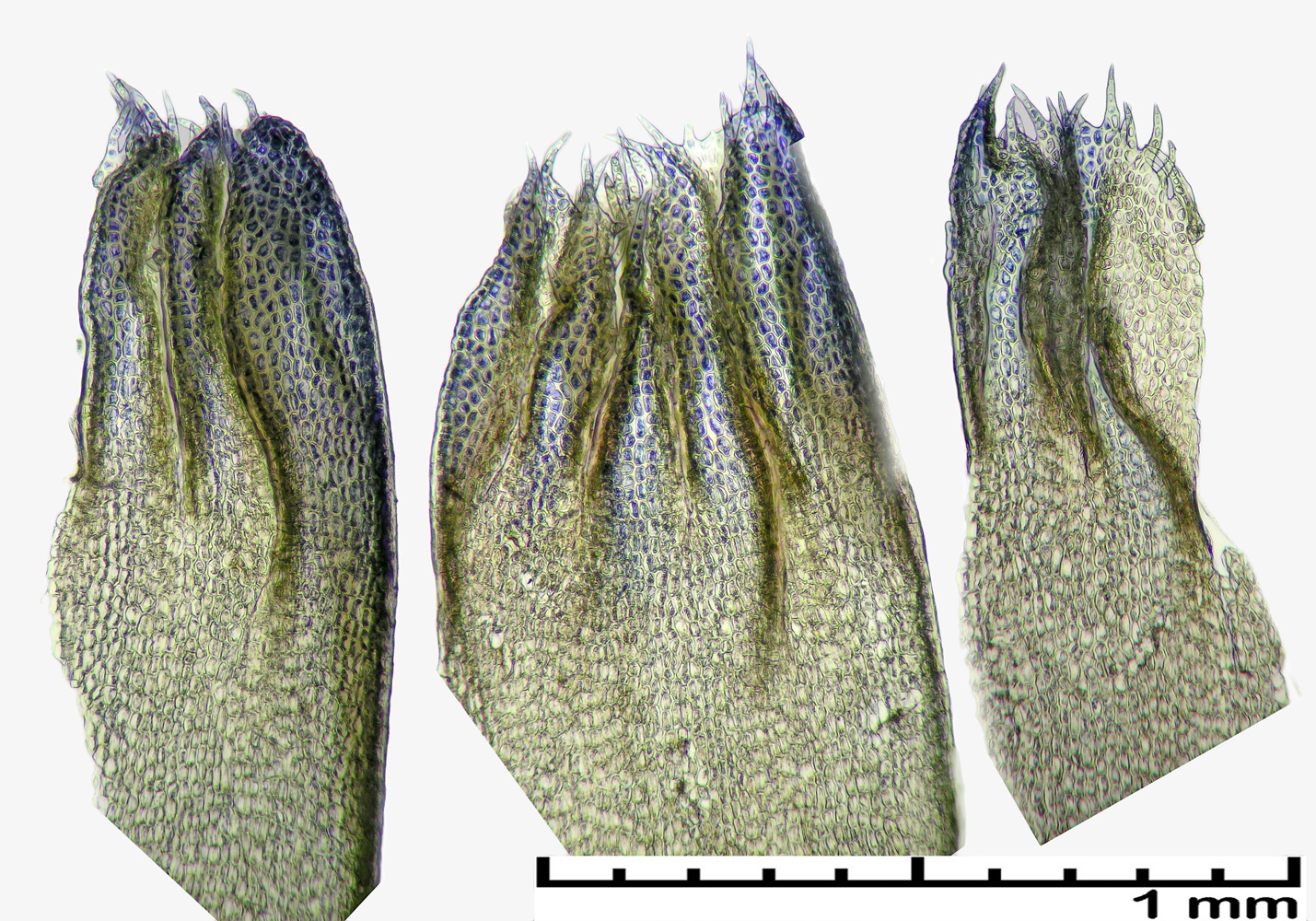 Macrodiplophyllum flaccidum. W.Schofield W67624 (UBC).
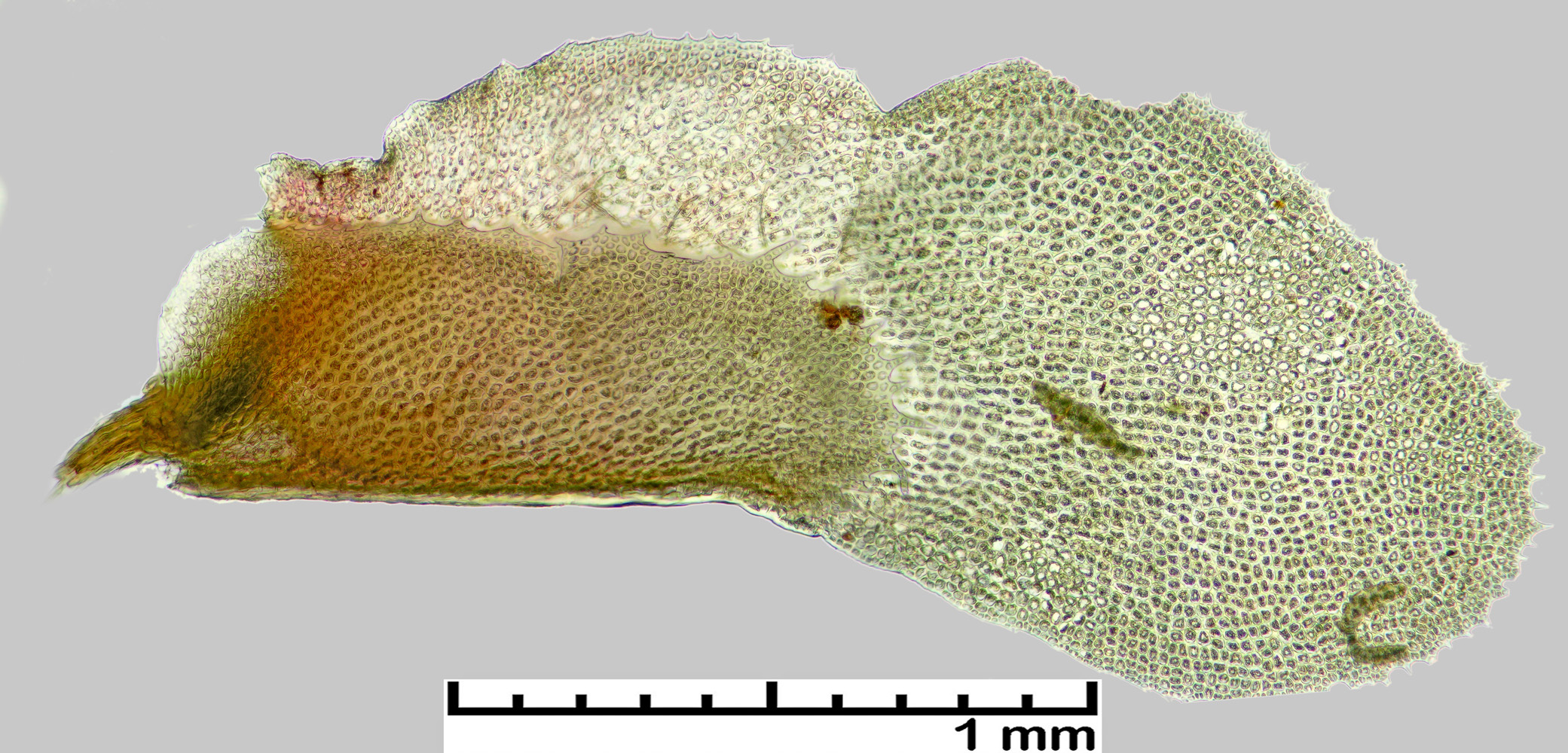 Macrodiplophyllum flaccidum. W.Schofield W867624 (UBC).
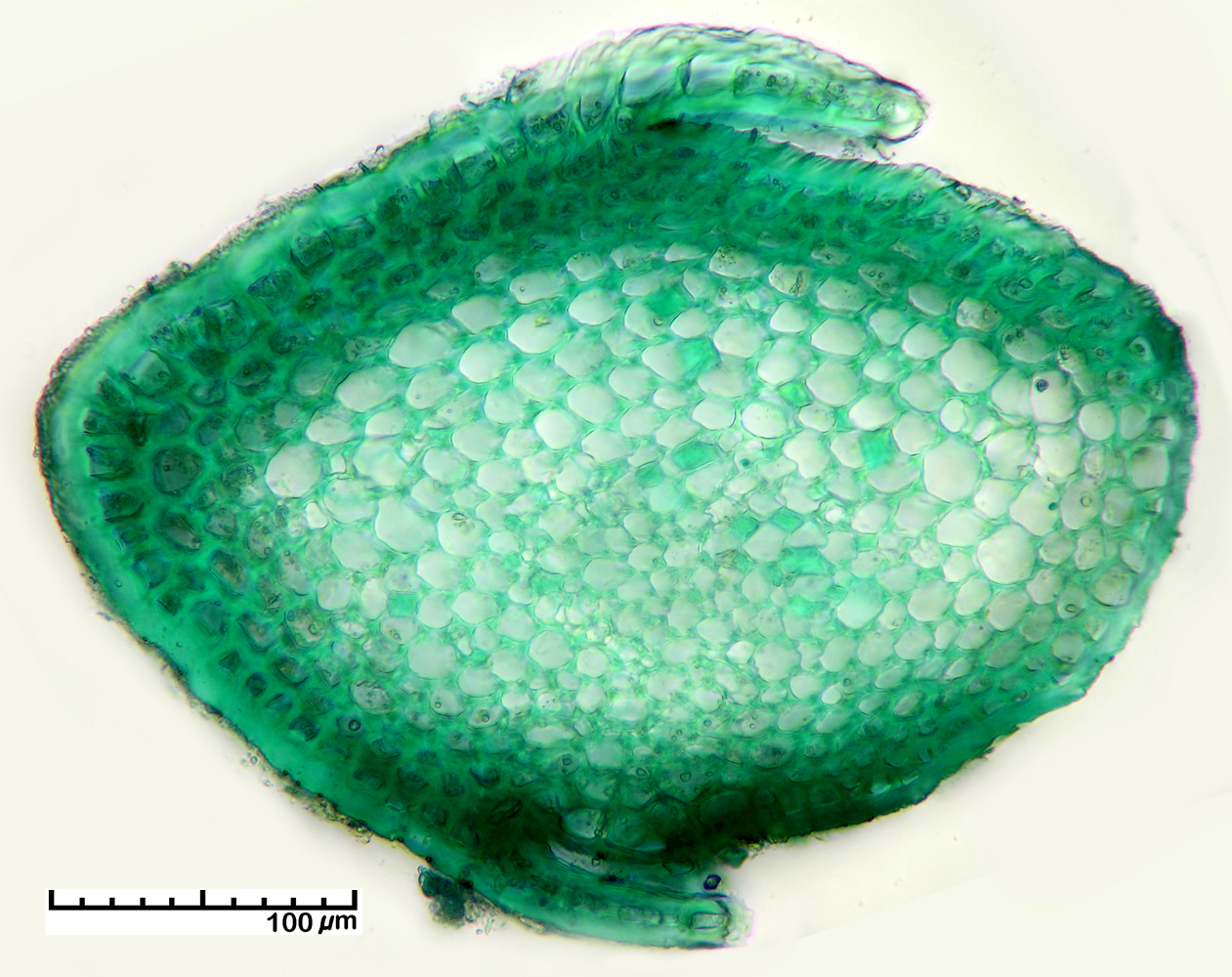 Macrodiplophyllum flaccidum. DHW m2797.
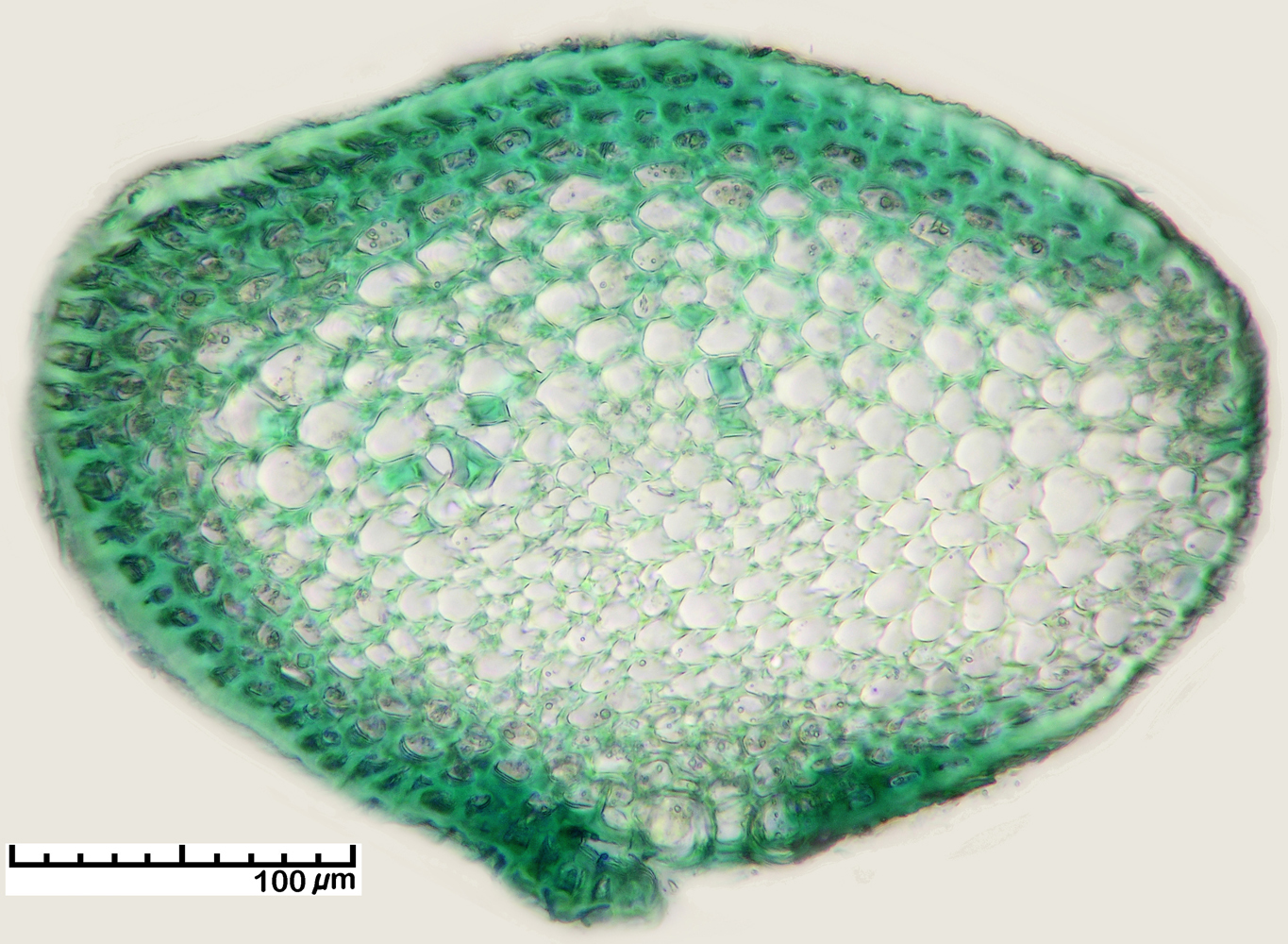 Macrodiplophyllum flaccidum. DHW m2797.
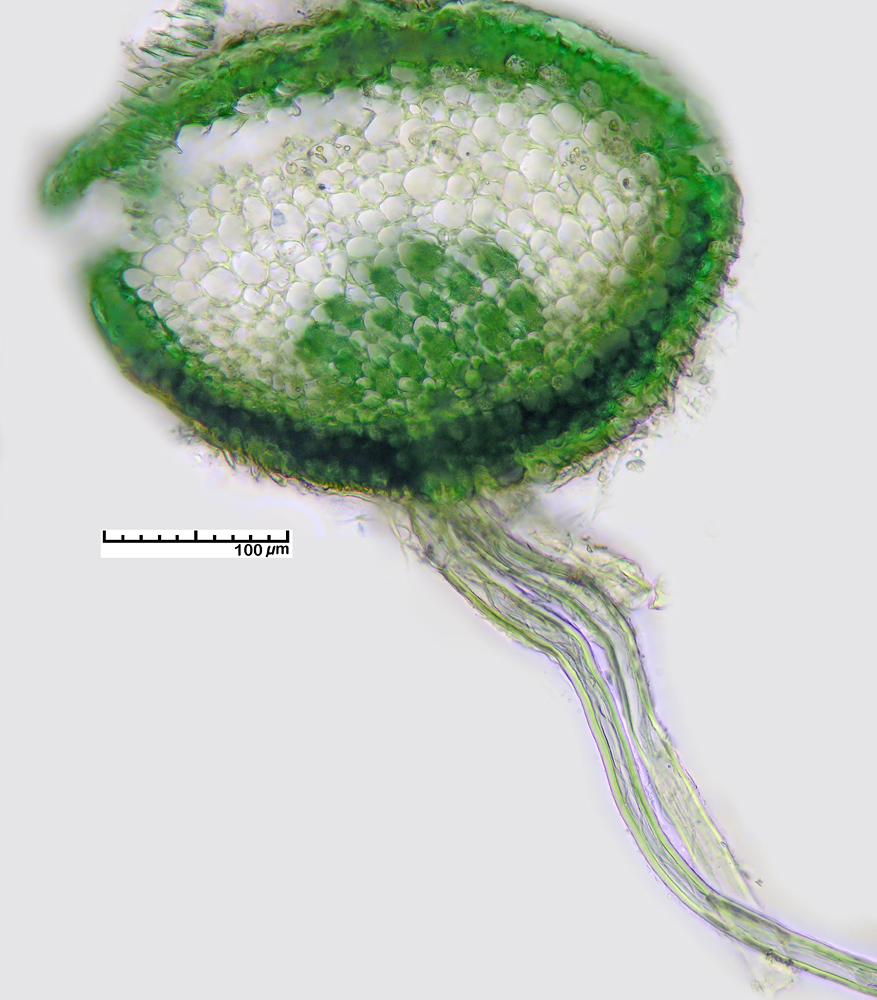 Macrodiplophyllum flaccidum. DHW m2797.
GO BACK TO Macrodiplophyllum rubrum