Guide to Liverworts of Oregon: Schofieldia monticola Godfrey
HOME SPECIES INDEX GENUS INDEX GLOSSARY
1b plants leafy > 3b leaves not divided, not ciliate > 6a oil bodies 2+ or unknown > 7b no small dorsal lobe > 10a succubous > 11a anisophyllous > 12b leaves lobed > 37b if rhizoids red, stems red > 38a shoots wider than 1 mm > 39b underleaves inconspicuous > 55b leaves succubous > 58b shoots >1.2 mm wide > 59b lobes acute or oil bodies >12 > 60b terrestrial > 61b oil bodies lacking > Schofieldia monticola
Synonym: Fuscocephaloziopsis monticola (J. Godfrey) Vaňa & L. Sõderstr.
Special Status: ORBIC List 2.
Recognition: Medium sized leafy liverwort with bilobed leaves, the leaves thin, flaccid, and small compared to the fleshy stem. Fresh, living plants lack oil bodies in all cells. Underleaves are only occasionally present, and are difficult to demonstrate. Species of Lophozia with bilobed leaves are more firm and brownish green compared to the flaccid, pale olive-green of Schofieldia.
Distribution: Grows on peaty soil, often mixed with other liverworts, sometimes among heather stems. In Oregon known only from the Three Sisters Wilderness and at the south end of the Waldo Lake basin. I found it first in 1982 at a couple of localities in the vicinity of Linton Meadows, Three Sisters Wilderness, and then in 2007 found it along a trail on the northeast side of Fuji Mountain; all sites in Lane County.
Comments: When dead and dried, very hard to distinguish from species of Lophozia with bilobed leaves. Schofieldia is paler in appearance due to the clear, thin leaf cell walls and fewer chloroplasts in each cell.
Sotler and Crandall-Stotler (2017) place this species in Fuscocephaloziopsis based on a concept proposed by Vaňa et al. (2013) that includes most of the traditional Cephaloziaceae. This concept is based on using DNA sequences to generate phylogenetic trees and ignores the distinctive morphological characters that justify retaining this as a monotypic genus. In this case, the massive stem, shallowly bilobed leaves, small leaf cells and presence of underleaves clearly distinguishes this from other members of Fuscocephaloziopsis that form the core of the Cephalozia bicuspidata group of Cephalozia as recognized here.

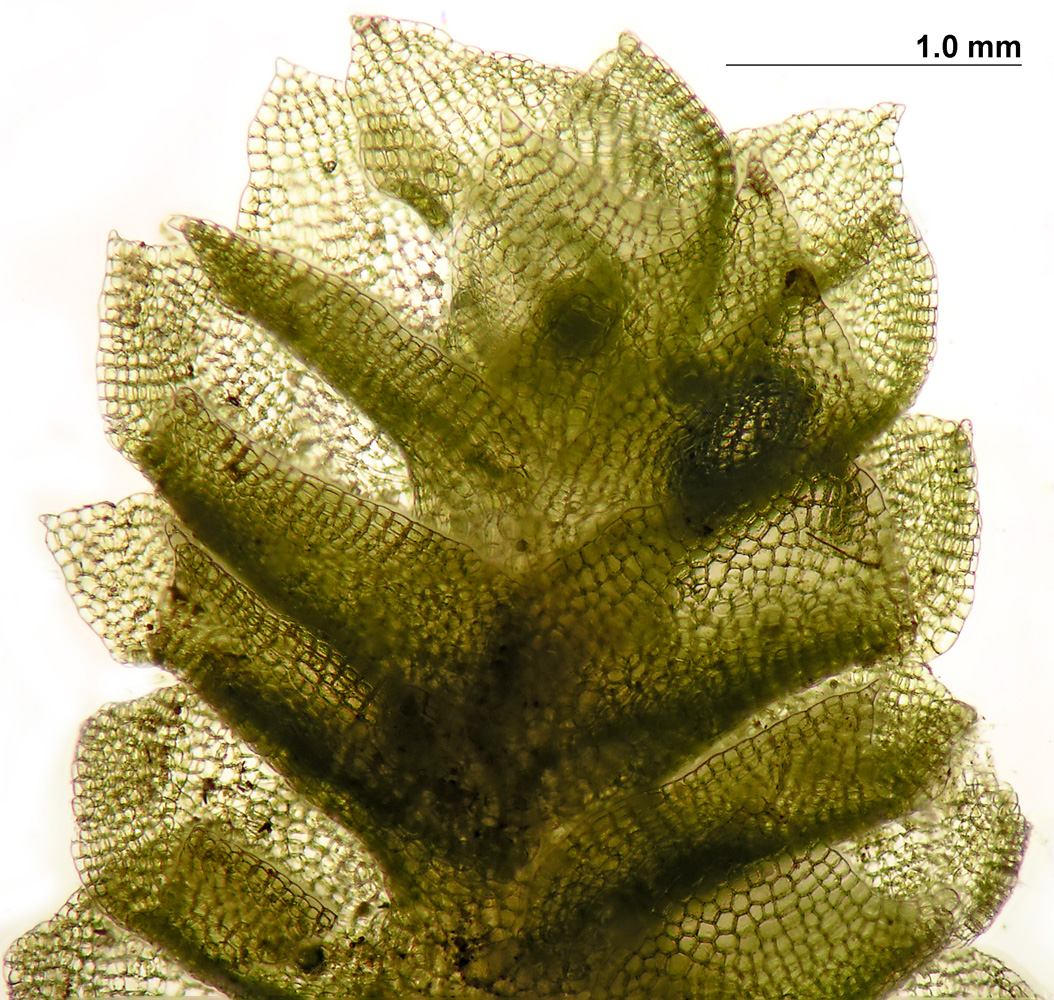 Left: Three Sisters Wilderness,Lane County, OR. DHW s.n. (8Aug1982); Right: Near Fuji Mountain, Lane County, OR. DHW m2285.
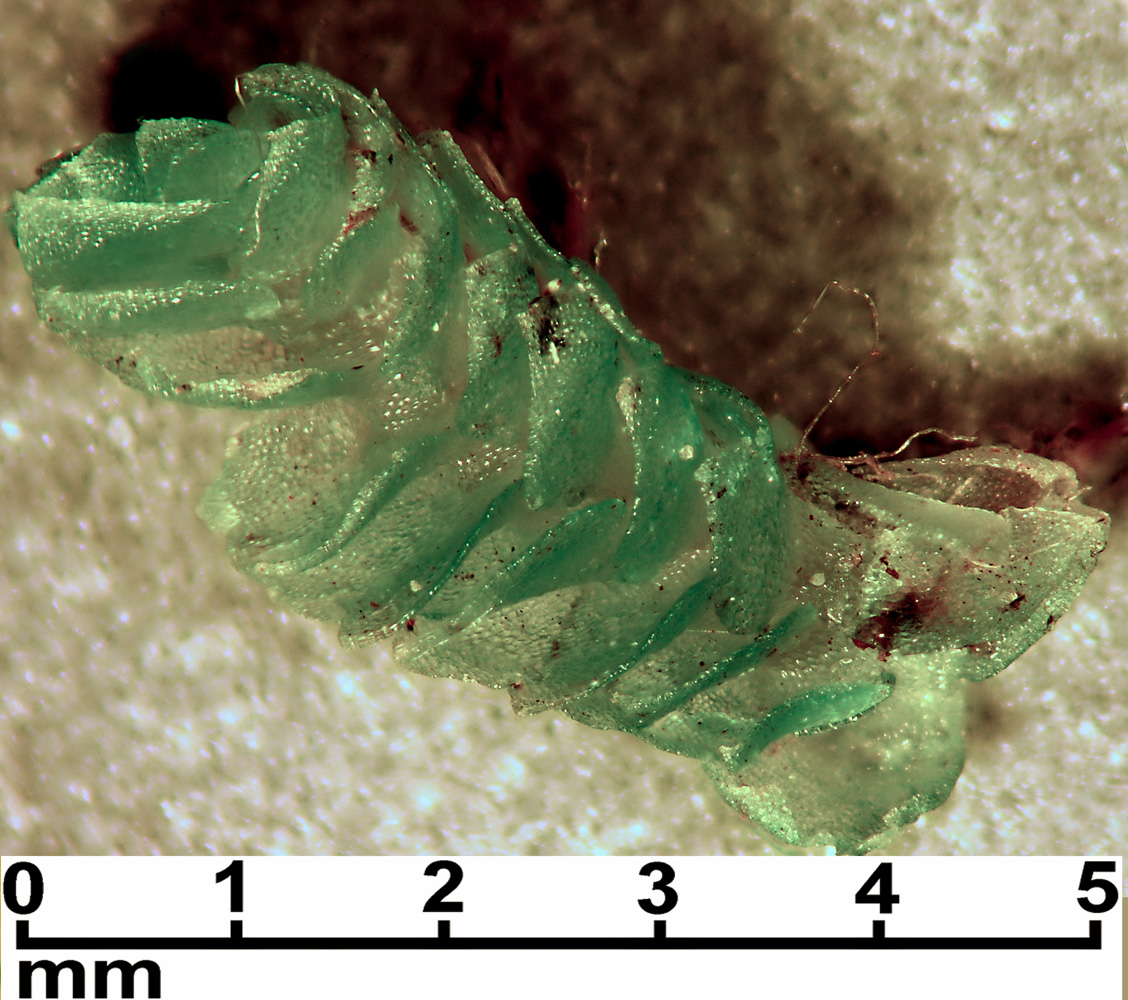
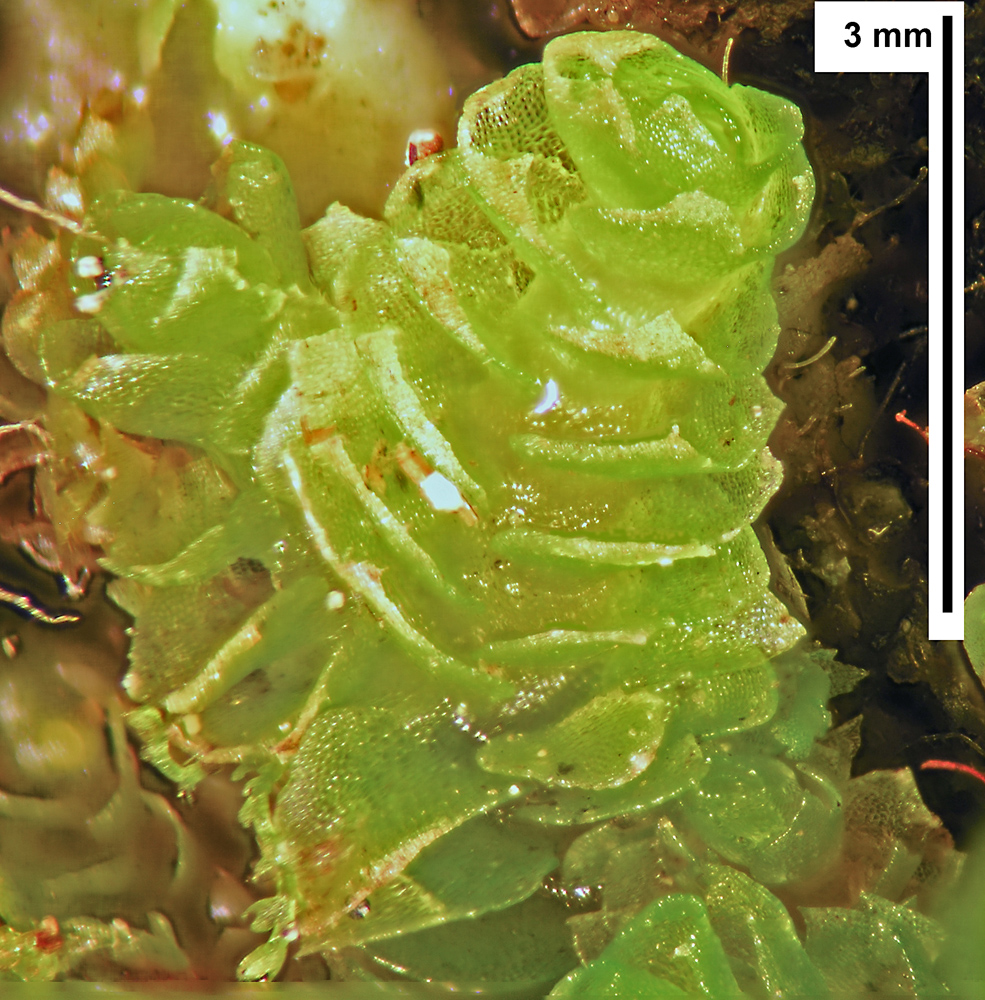 Near Fuji Mountain, Lane County, OR. DHW m2285.
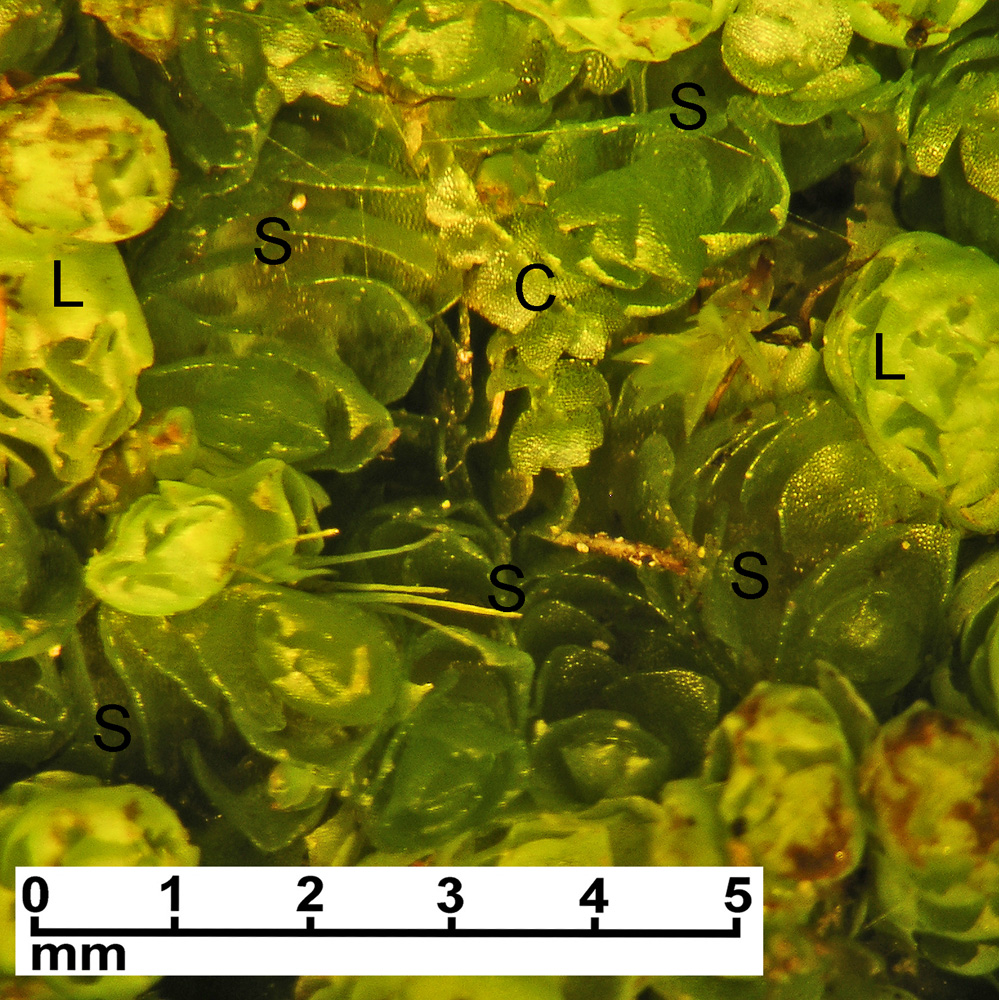 Near Fuji Mountain, Lane County, OR. DHW m2285. S= Schofieldia; L= Lophozia incisa; C= Calypogeia.
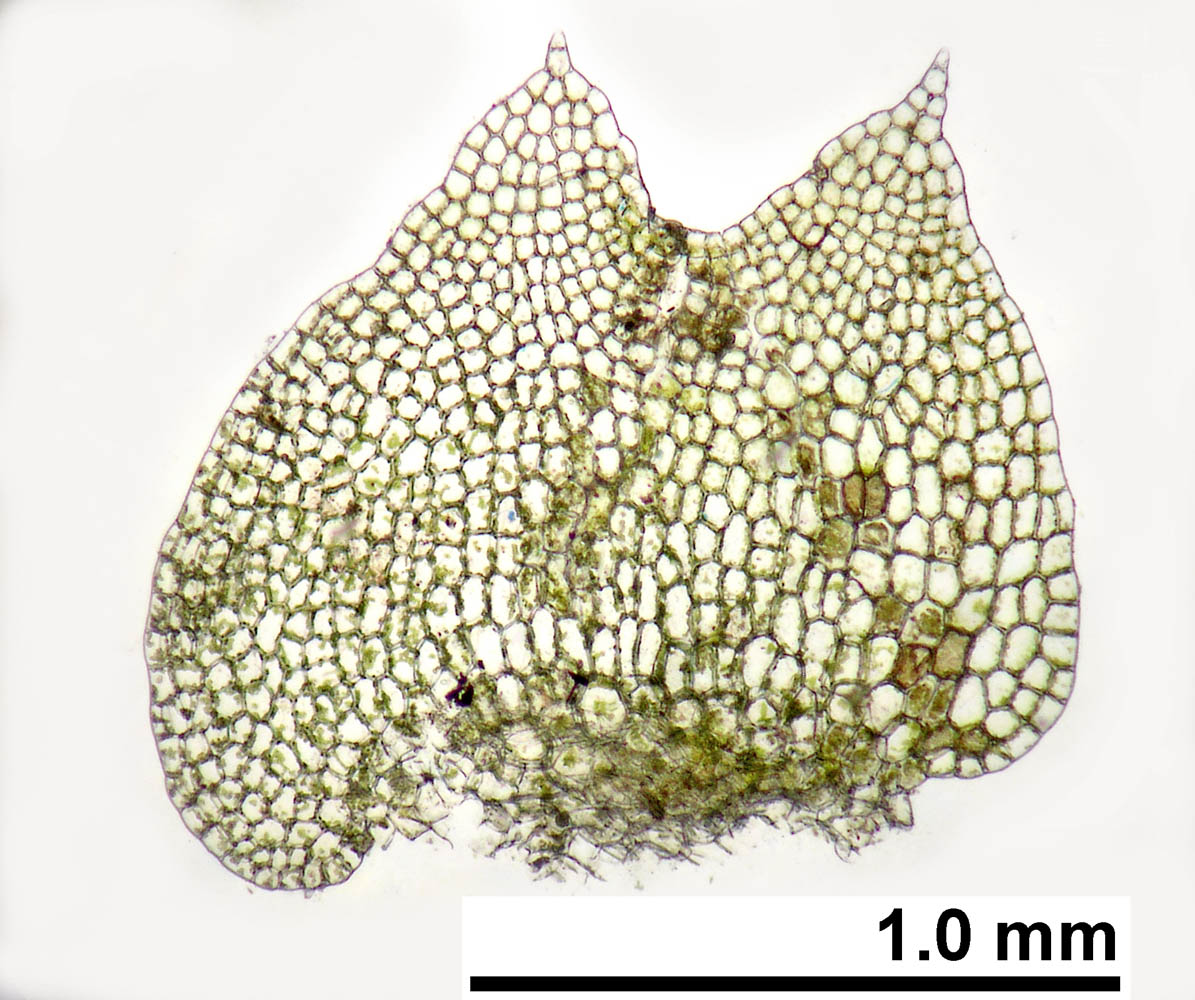 Near Fuji Mountain, Lane County, OR. DHW m2285. S= Schofieldia; L= Lophozia incisa; C= Calypogeia.
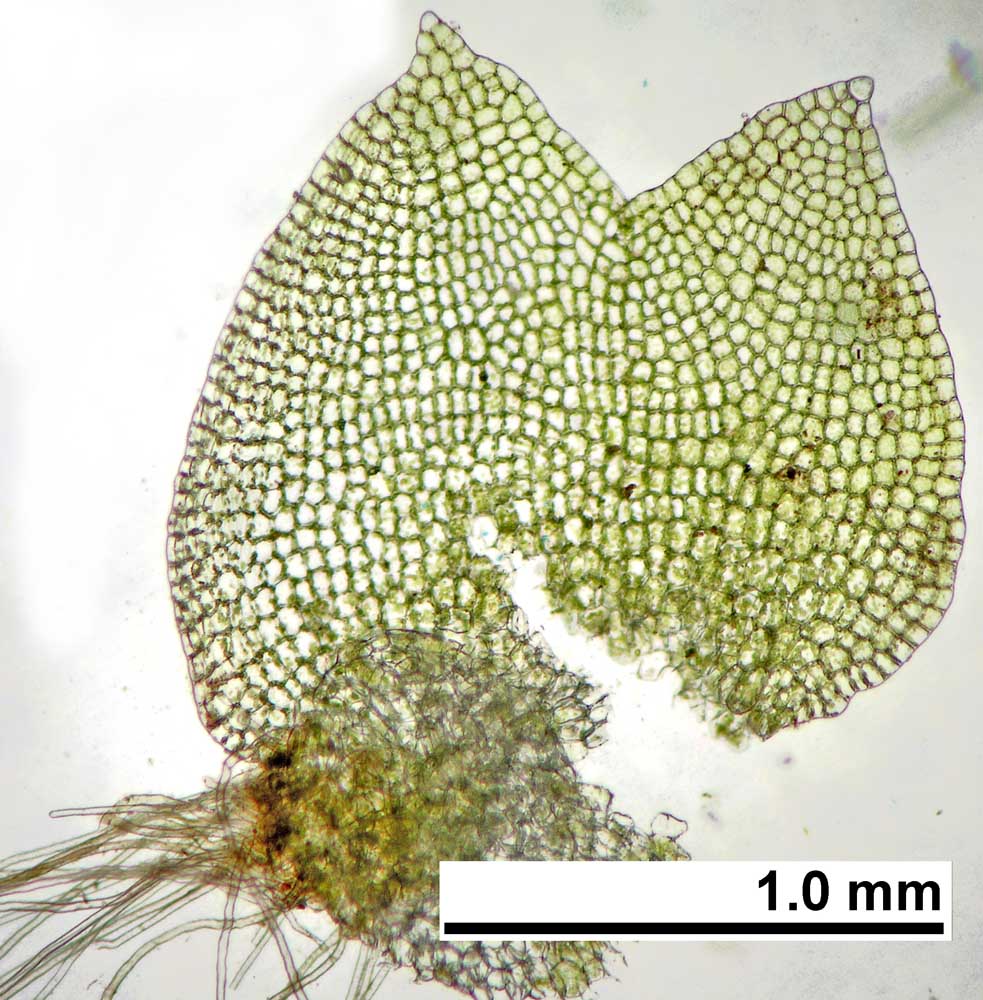 Near Fuji Mountain, Lane County, OR. DHW m2285. S= Schofieldia; L= Lophozia incisa; C= Calypogeia.
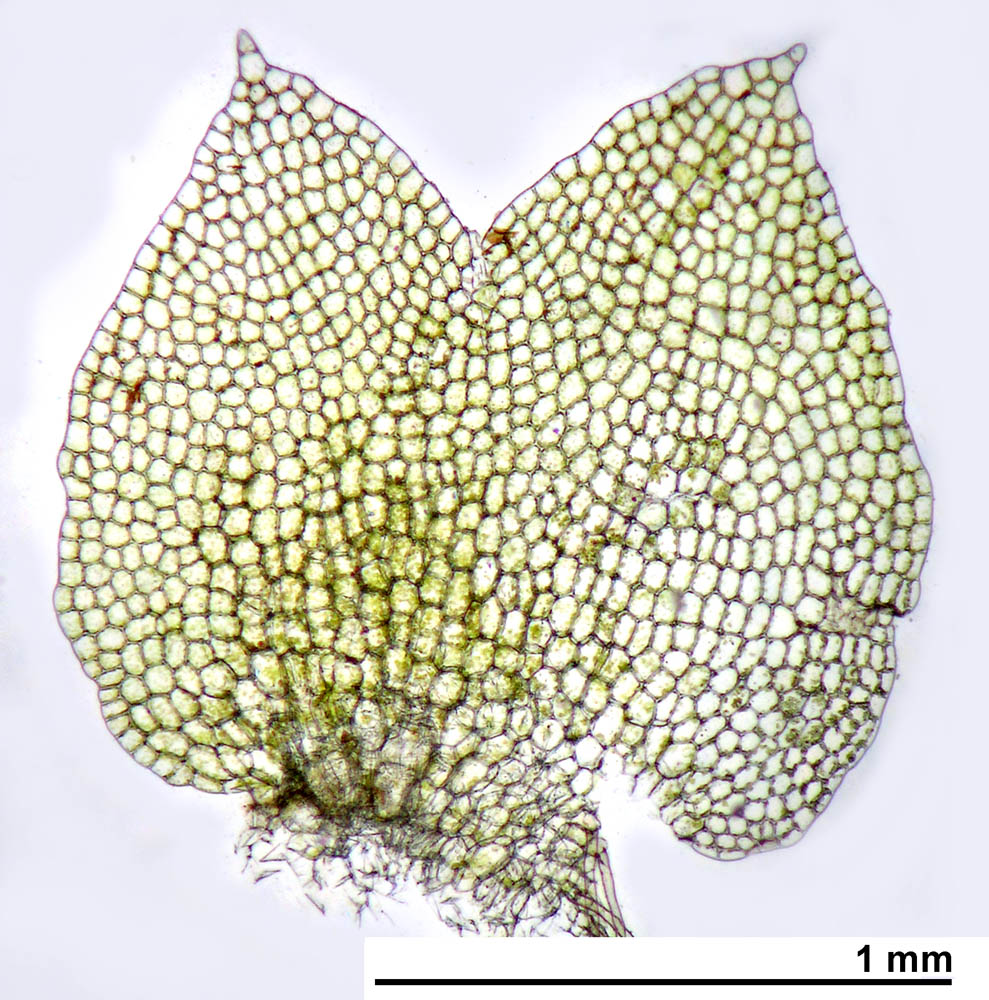 Near Fuji Mountain, Lane County, OR. DHW m2285. S= Schofieldia; L= Lophozia incisa; C= Calypogeia.
 Near Fuji Mountain, Lane County, OR. DHW m2285.
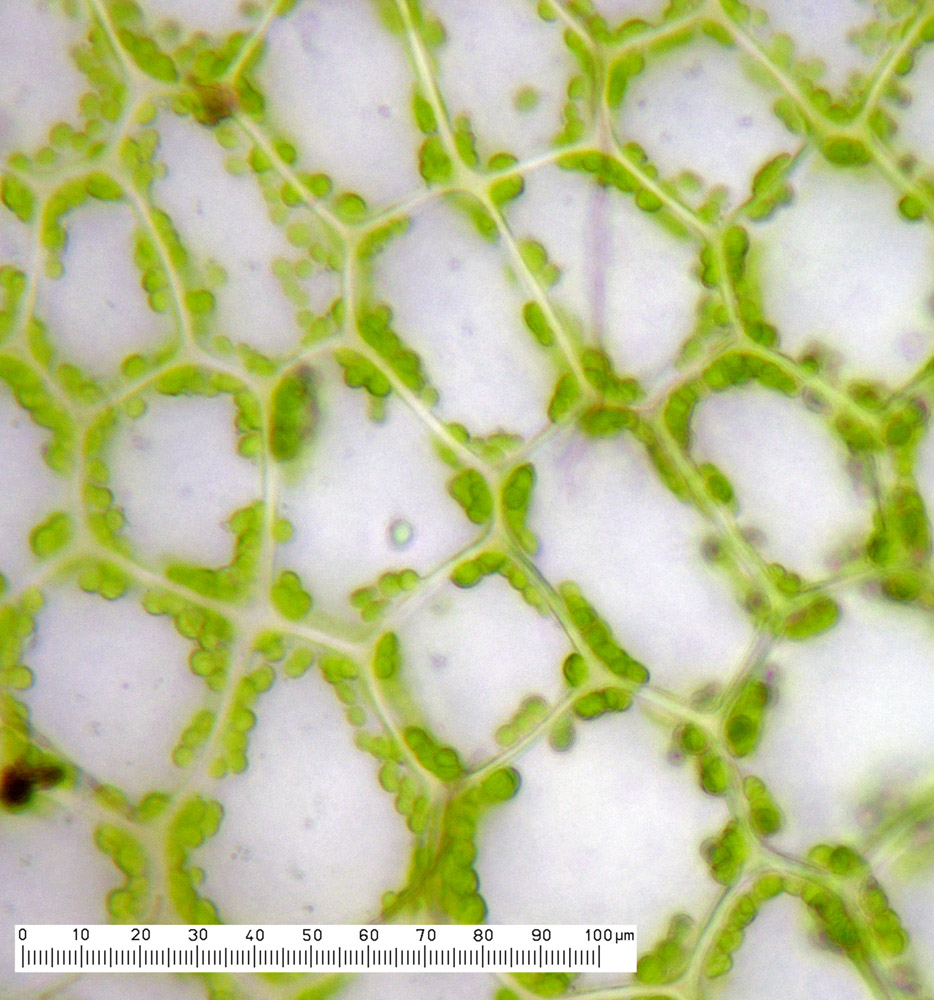 Near Fuji Mountain, Lane County, OR. DHW m2285.
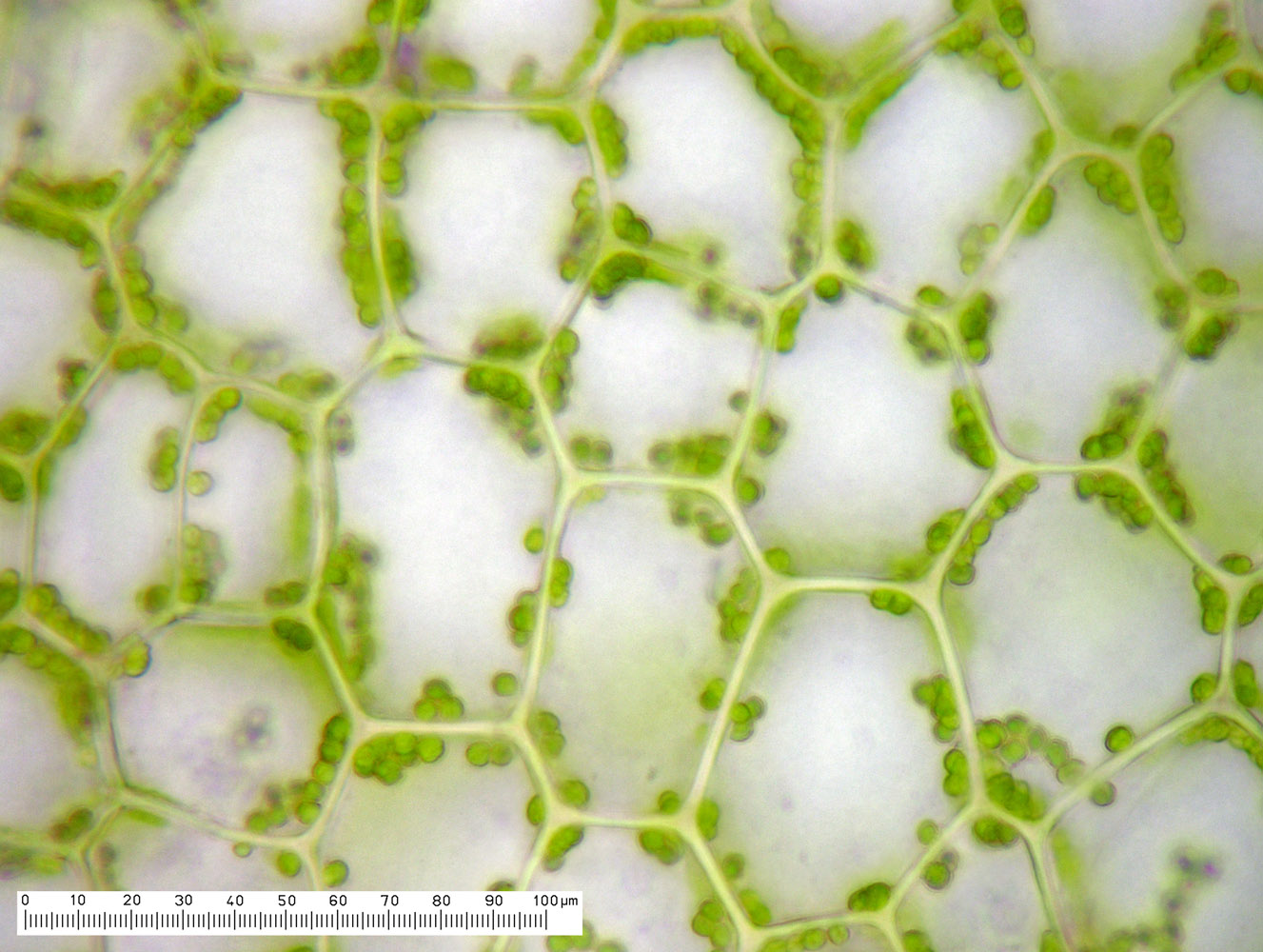 Near Fuji Mountain, Lane County, OR. DHW m2285.